



Aluminium vs uPVC Windows: Pros & Cons – Which is Right for Your Home?
Aluminium vs uPVC Windows: Pros & Cons – Which is Right for Your Home?
Choosing between aluminium vs uPVC windows is one of the most significant decisions you will make for your property. Both materials offer excellent durability and weather resistance, but they cater to very different architectural styles and budgets. At Fox Windows, we believe in providing the technical facts regarding aluminium vs uPVC windows so you can choose the material that best aligns with your home’s aesthetic and your long-term performance goals.
The Performance Gap: Aluminium vs uPVC Windows
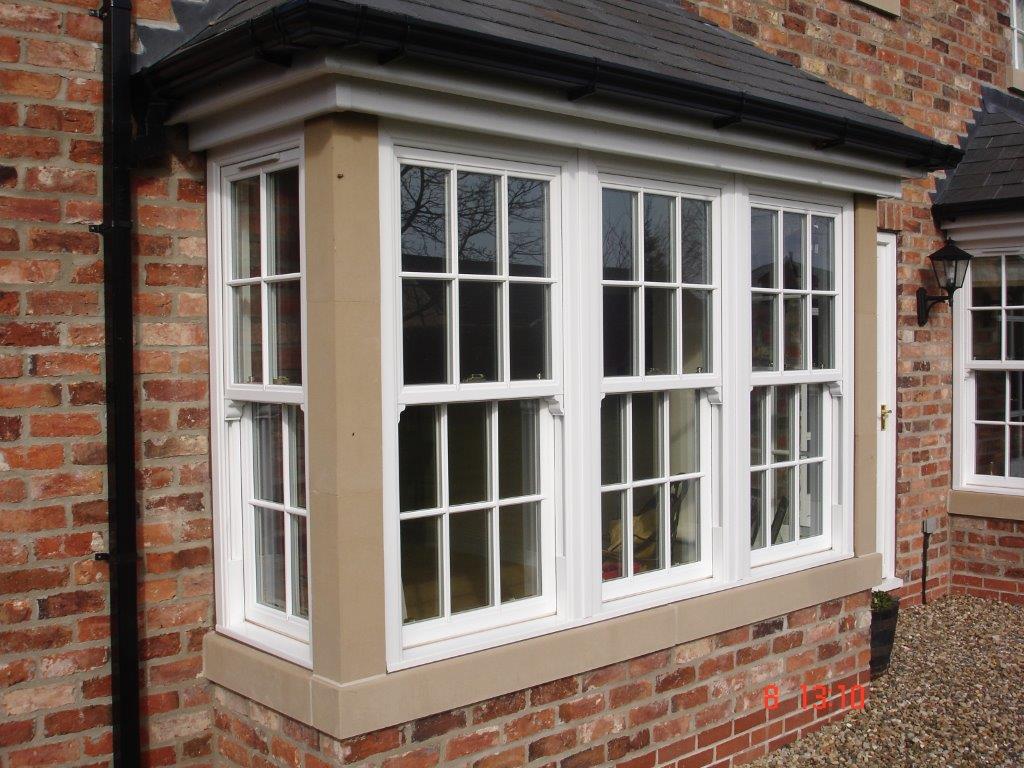
When researching aluminium vs uPVC windows, it is important to understand that uPVC is a natural insulator. Its multi-chambered material excels in thermal insulation and is highly cost-effective, offering a premium look at a more accessible price point. Furthermore, modern uPVC is incredibly low maintenance; it will not rot, rust, or flake, requiring only an occasional wipe down.
Aluminium vs uPVC: Head-to-Head Comparison
Choosing between aluminium and uPVC windows depends on your priorities, whether it’s aesthetics, cost, or performance. Here’s a clear comparison to help you decide.
| Feature | Aluminium | uPVC |
|---|---|---|
| Appearance | Slim frames with a sleek, modern look and larger glass areas. | Chunkier frames with a more traditional appearance. |
| Durability | Highly durable, resistant to warping, rust, and weather damage. | Good durability but can expand or discolour over time. |
| Energy Efficiency | Thermally broken frames offer good insulation, but slightly less efficient than uPVC. | Excellent insulation, helping to reduce heat loss and energy bills. |
| Maintenance | Low maintenance; requires occasional cleaning. | Very low maintenance; easy to clean and long-lasting. |
| Cost | Typically more expensive due to premium materials. | More affordable and budget-friendly option. |
| Security | Strong frames with high-security locking systems. | Secure with multi-point locking, but less rigid than aluminium. |
| Customisation | Wide range of colours, including powder-coated finishes. | Available in various colours and woodgrain effects. |
Why uPVC Windows?
Unplasticized Polyvinyl Chloride (uPVC) is the most popular framing material in the UK for a reason. It is a high-performance, multi-chambered material that excels in thermal insulation.
The Pros of uPVC
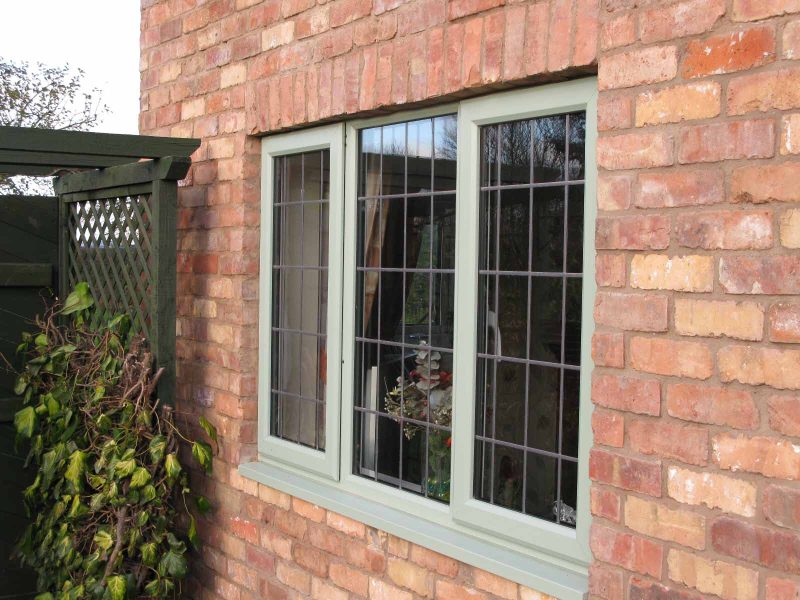
uPVC is a natural insulator, meaning it effectively traps heat within your home and reduces energy bills. It is also highly cost-effective, offering a premium look at a more accessible price point than metal alternatives. Furthermore, modern uPVC is incredibly low maintenance; it will not rot, rust, or flake, requiring only an occasional wipe down to maintain its appearance.
The Cons of uPVC
Because uPVC is less rigid than aluminium, the frames must be slightly thicker to support the weight of the double or triple-glazed units. This results in slightly larger sightlines and a bit less glass area. While very durable, uPVC also has a shorter overall lifespan—typically 25 to 35 years – compared to the near-infinite life of treated metal.
Why Aluminium Windows?
Aluminium has become the gold standard for contemporary architecture and high-end home renovations. Its inherent strength allows for design possibilities that other materials simply cannot match.
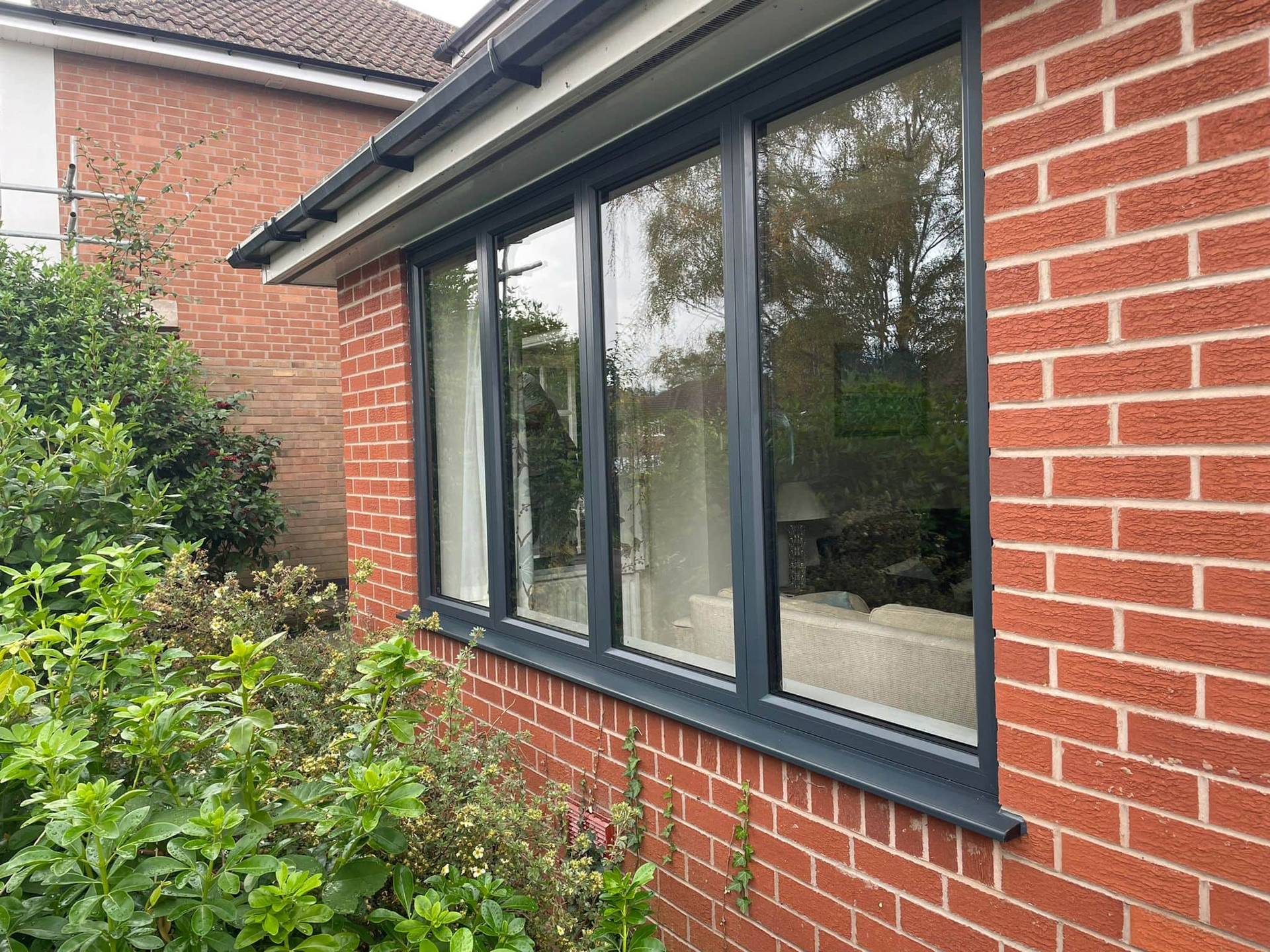
The Pros of Aluminium
The primary advantage of aluminium is its incredible strength-to-weight ratio. This allows for ultra-slim frames and much larger panes of glass, flooding your home with natural light. Aluminium is also a lifetime material; it doesn’t expand or contract with the weather, and its powder-coated finish is resistant to the harshest elements. From a sustainability standpoint, aluminium is infinitely recyclable, making it a favorite for eco-conscious homeowners.
The Cons of Aluminium
The main drawback is the initial investment, as aluminium is more expensive to source and manufacture than uPVC. Additionally, while modern thermal breaks have solved the old issues of heat loss, aluminium is still slightly less naturally insulating than a high-quality uPVC frame.
Get Your Expert Quote Today
Don’t wait to transform your home with the perfect window solution. Whether you have decided on the sleek, slim lines of aluminium or the high-efficiency value of uPVC, our team is here to help you navigate the choice of aluminium vs uPVC windows. You can contact our experts directly at 01926 754044 to discuss your project or visit our showroom at Stoneleigh Park, conveniently located between Leamington Spa and Kenilworth.
Seeing the materials in person is the best way to feel the quality and finalise your decision on aluminium vs uPVC windows, so request your free, no-obligation online quote today and let Fox Windows & Doors help you build a safer, more beautiful home.
Frequently Asked Questions (FAQs)
Q: Which material is more secure when comparing aluminium vs uPVC windows?
Both provide excellent security when fitted with multi-point locking systems. However, in the context of aluminium vs uPVC windows, aluminium has a slight advantage in raw structural strength, making the frames harder to bend or pry.
Q: Will aluminium windows cause condensation in my home?
Older aluminium windows were prone to condensation because the metal was cold. Modern aluminium windows, however, feature a polyamide thermal break – a plastic barrier inside the frame that stops cold from transferring to the inside. This effectively eliminates the condensation issues of the past.
Q: Can I get uPVC windows in colours other than white?
Yes. Whether you choose aluminium vs uPVC windows, both are available in a huge range of colours. uPVC uses foils, while aluminium uses a durable powder coating.
Q: How do I clean and maintain these different window types?
Both are remarkably easy to care for. For uPVC, a simple soft cloth with warm soapy water is enough. For aluminium, you should avoid abrasive cleaners to protect the powder-coated finish; a gentle wipe-down every few months will keep the frames looking brand new for decades.
Q: Which material is better for soundproofing?
uPVC is naturally slightly better at dampening sound because the material is less dense than metal. However, the majority of soundproofing comes from the glass unit itself. Upgrading to acoustic glazing or triple glazing will have a much bigger impact on noise reduction than the frame material alone.
Q: Does aluminium add more value to my house than uPVC?
In many premium markets, the choice of aluminium vs uPVC windows leans toward aluminium, as it is often viewed as a high-end architectural feature that enhances curb appeal.