




A Complete Guide to Glass Doors
Brought to You by Fox Windows & Doors
How to Choose Between Sliding, Bifold and French Doors, With Advice on Design, Glazing and Getting the Detail Right
Whether you are planning a rear extension, adding a garden room or simply upgrading the doors you have, the glazing choices you make will shape how the finished space feels every day.
For some homeowners, this is about improving what is already there. For others, it is a completely blank canvas: a new extension being designed from scratch, and the doors are part of the brief from the beginning. Either way, the decision is worth getting right.
This guide covers the main options, what to think about before you choose, and the details that make the biggest practical difference.
Chapter 1 - Start With What You Want the Space to Do
Before comparing door types, it helps to be clear about what you are actually trying to achieve. The most common goals we hear from homeowners across Warwickshire and the Midlands are:
- Bringing more natural light into a room that feels dark
- Opening up a kitchen or living space to the garden
- Creating a proper connection between a new extension and the outside
- Building an outdoor living space that is usable across more of the year
- Making the whole rear of the house feel lighter and more open
These goals overlap, but they are not all the same. The door type that best maximises light is not always the one that best opens up a space. Getting clear on your priority makes the rest of the decision much more straightforward.
Chapter 2 - What Are Your Options?
There are three main types of glazed door used in UK homes and extensions. Each works differently and suits different spaces and layouts.
Sliding doors
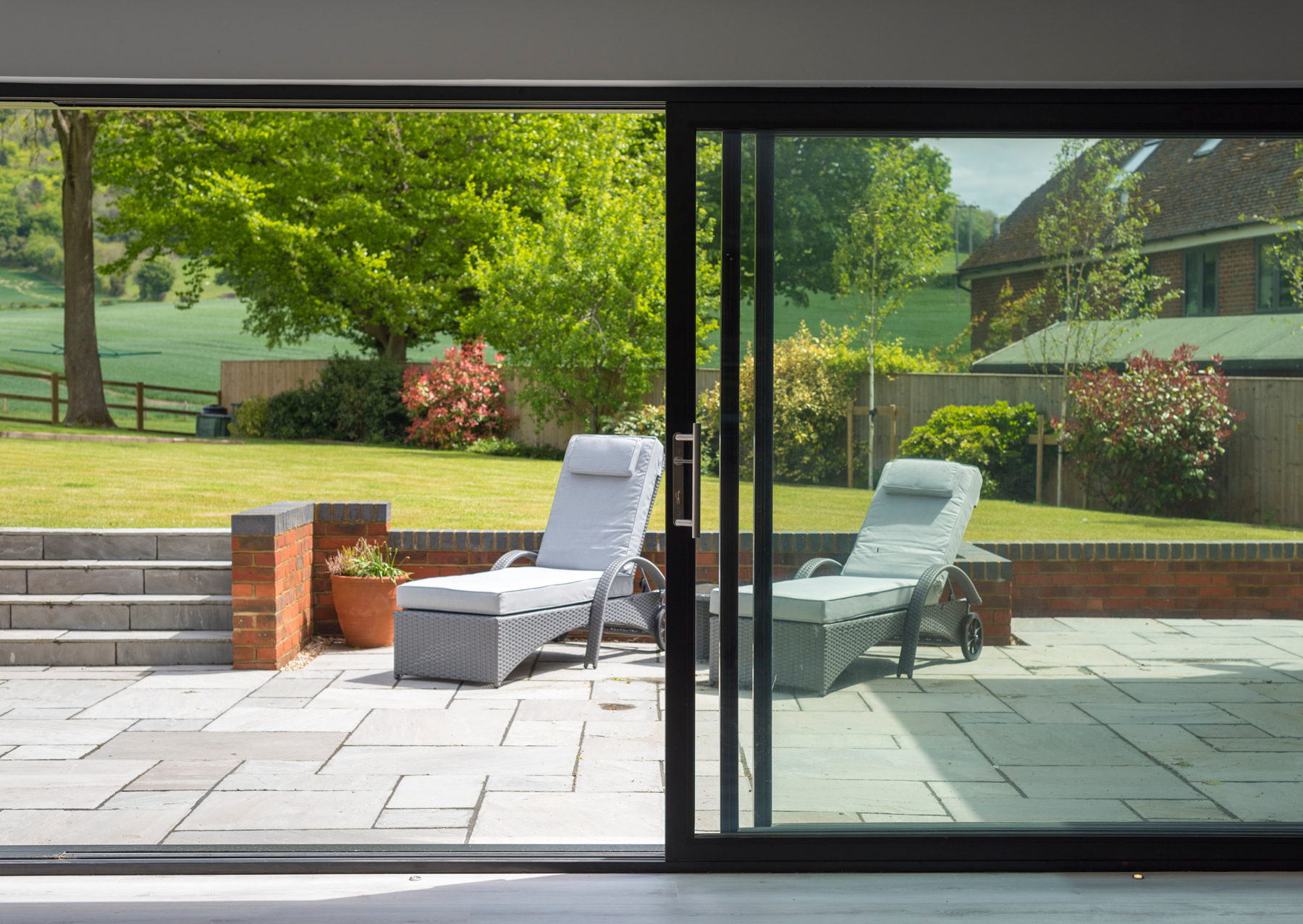
Sliding doors are designed around glass and views. Large panels slide behind each other on a track, giving you slim frames, wide panes and an almost uninterrupted outlook onto the garden.
They do not open the full width in the way bifolds do, but day to day they are easy to use. You can open part of the door without reconfiguring the whole space. They tend to work particularly well in wider openings where the view matters as much as the access.
For a new extension, sliding doors are often chosen where the opening is wide and the aim is to maximise the sense of glass rather than the physical opening width.
Bifold doors
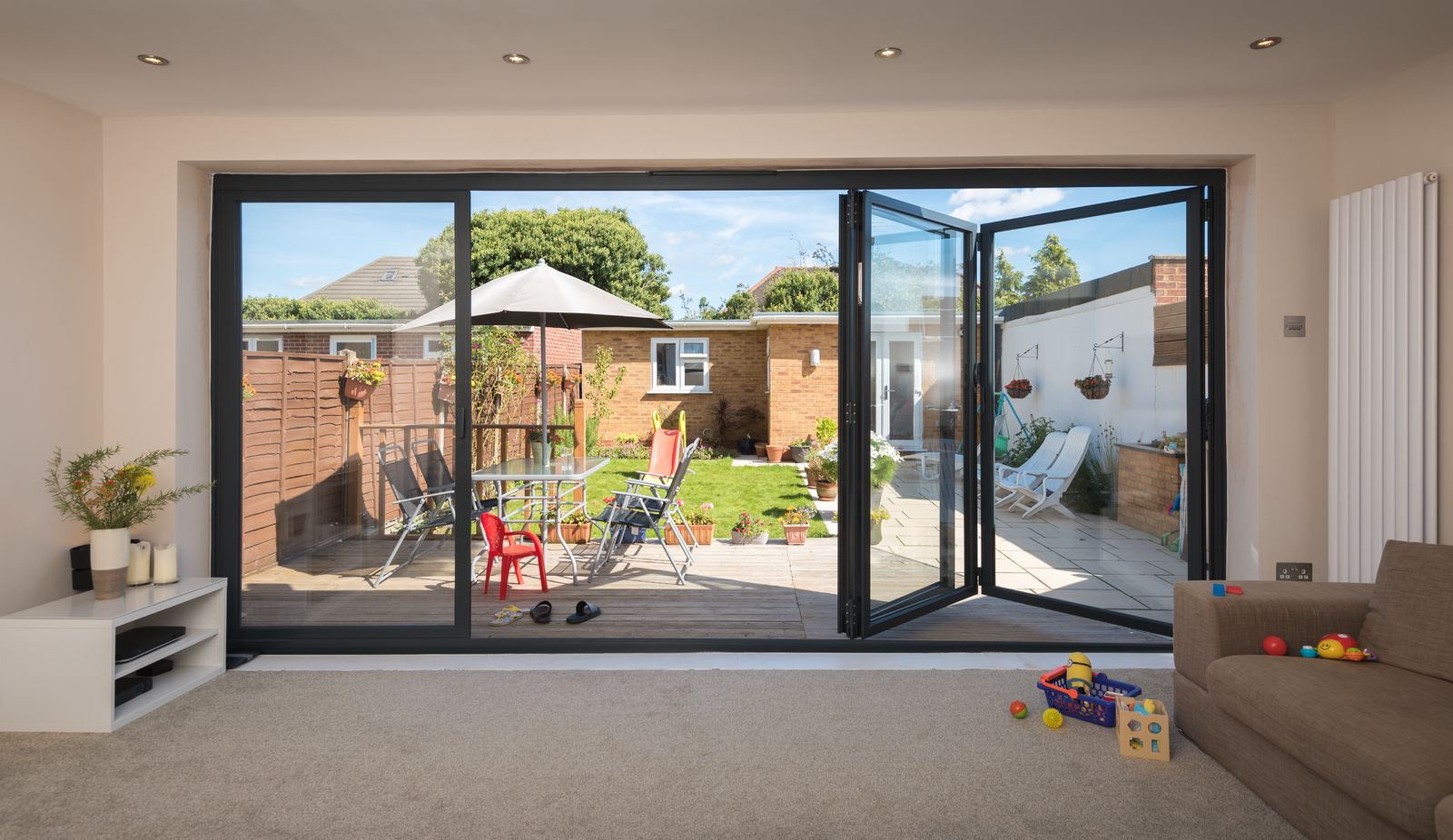
Bifold doors are about creating a full, open connection between inside and outside. The panels fold and stack to one side, allowing you to open almost the entire width of the aperture.
This works well in kitchen extensions and open plan living spaces where you genuinely want the room to extend into the garden. When the doors are fully open, the inside and outside feel like one space.
The practical consideration is that the stacked panels do take up some space at one end of the opening. For most layouts this is not an issue, but it is worth thinking about at the design stage rather than after the opening has been built.
French doors
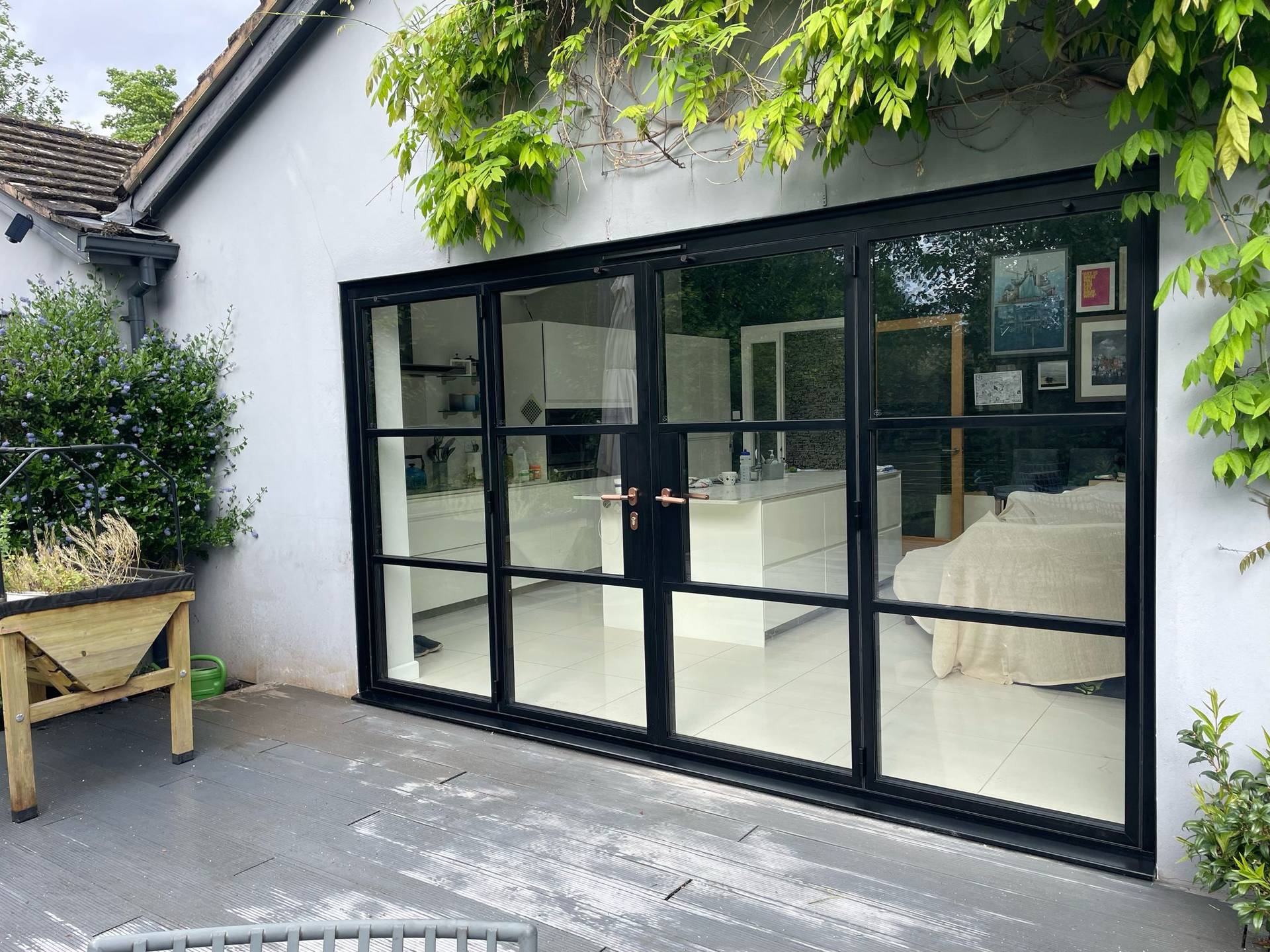
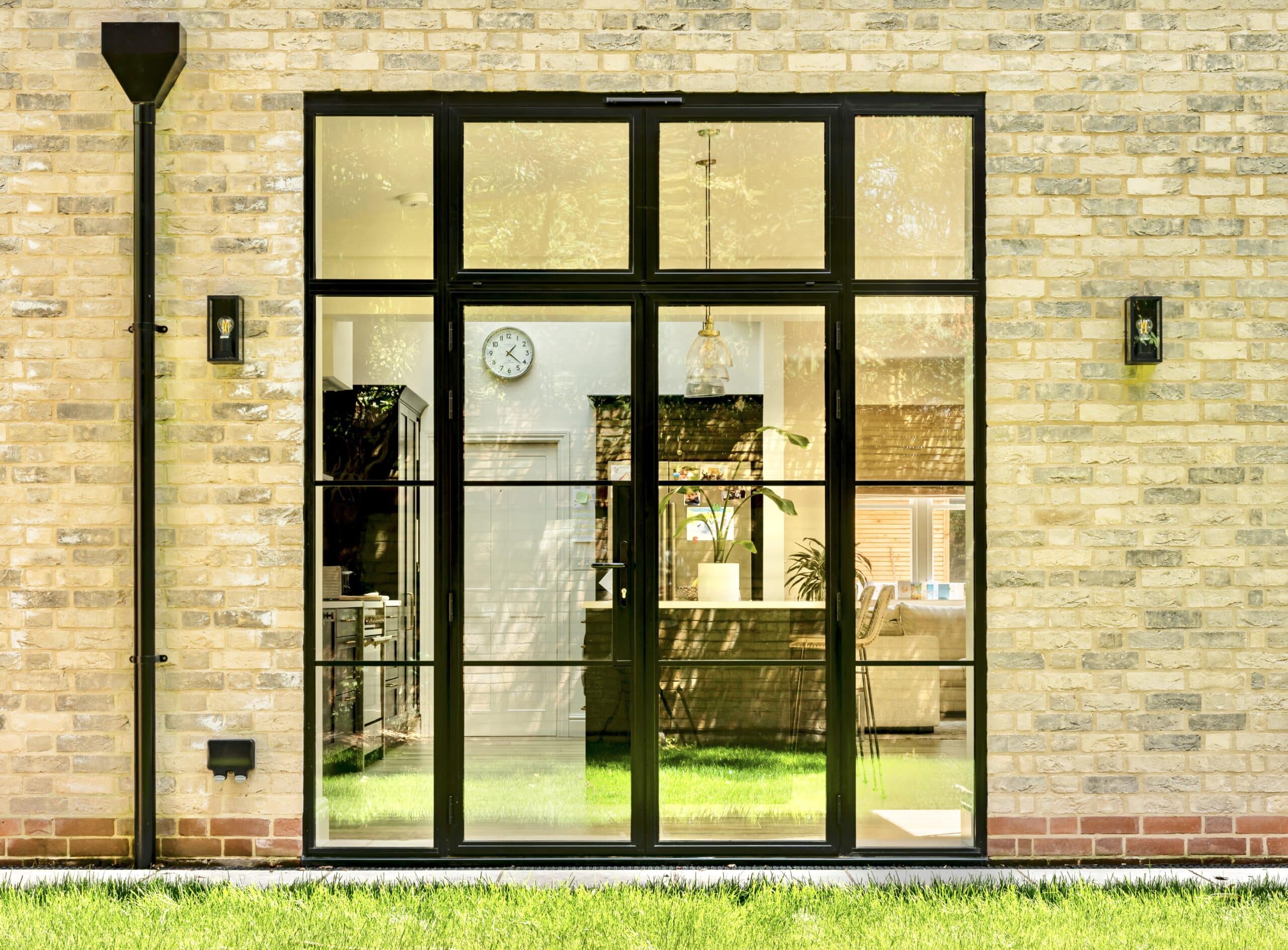
French doors are a more traditional choice, but they work well in the right context. They open from the centre outwards, suit narrower or more symmetrical openings, and fit naturally where the architecture has a more classical feel.
They are often the right call for a garden room, a side return, or any opening where you want access and light without a full wall of glass. In a newer buildings, they are sometimes used alongside fixed glazed panels to create a larger glazed elevation without the complexity of a bifold or sliding system.
Chapter 3 - Sliding, Bifold or French: Which Is Right for Your Project?
This is the question we are asked often. The answer depends on what matters most to you and how the space is laid out. Here is a straightforward way to think it through:
- If light and views are your priority: Sliding doors tend to come out on top. Larger panes and slimmer frames put more glass in the opening.
- If you want to fully open the space to the garden: Bifold doors give you the widest opening and the strongest inside to outside connection.
- If space around the opening is limited: Sliding doors take up less room because the panels do not fold or stack to the side.
- If the look matters as much as the function: French doors suit a more traditional or symmetrical setting. Sliding and bifold tend to read as more contemporary.
- For everyday practical use: Sliding doors are often the easiest to live with. You can open part of the door without having to open the whole thing.
- If you are designing a new extension: It is worth thinking about the door type before the opening is built. Bifolds and pocket sliders in particular need the structural opening to be designed around them.
For many kitchen extensions across Warwickshire, bifold or sliding doors are the natural choice. For garden rooms and more traditional properties, French doors often fit better. The key is talking through the layout before making a decision.
Chapter 4 - Planning an Extension?
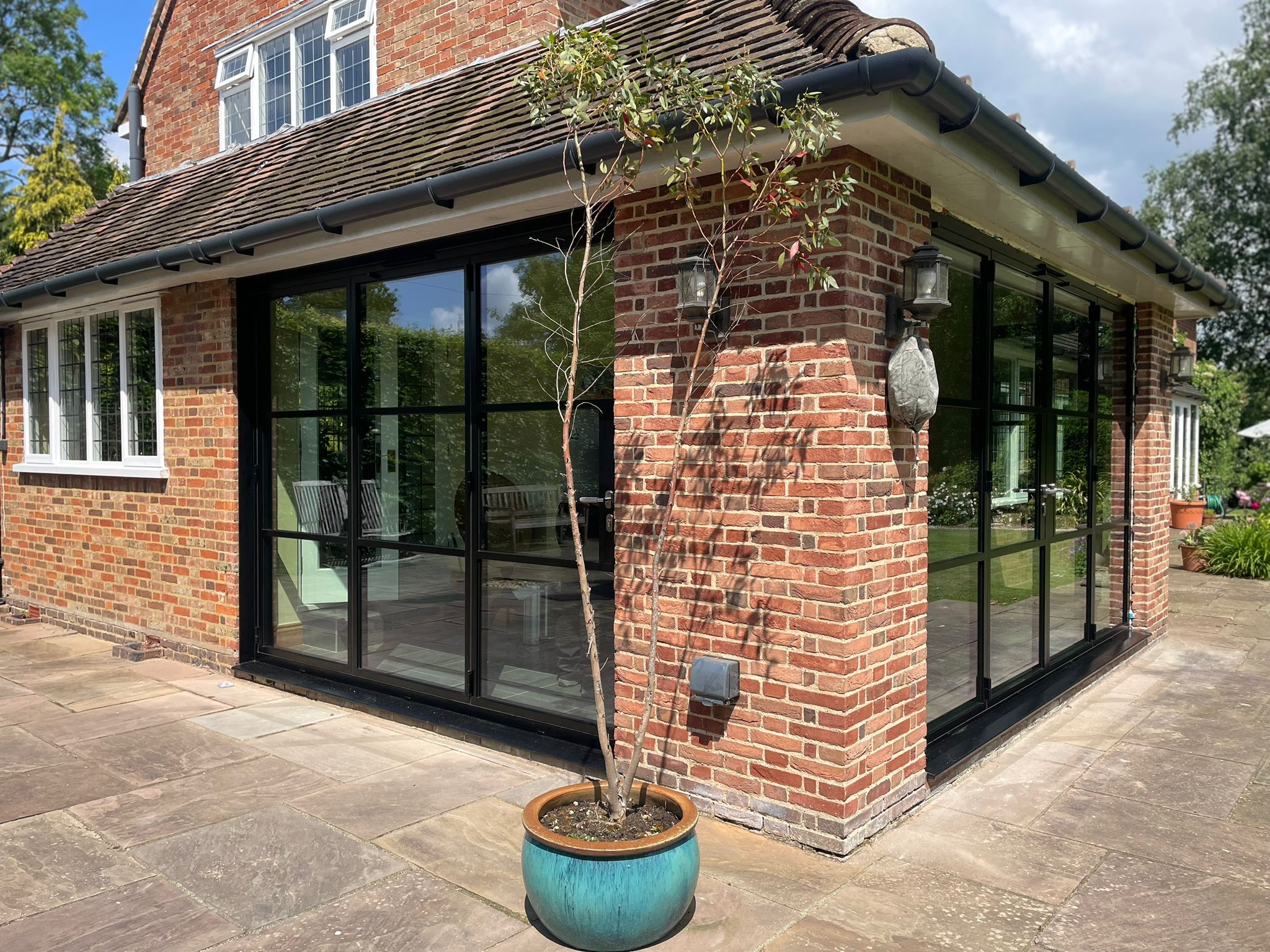
If you are in the early stages of planning a rear extension or garden room, the door choice is worth raising with your architect or designer before the structural drawings are fixed. The type of opening you build will determine which door systems are possible. Getting this right at the start avoids having to compromise later.
Fox works with homeowners at all stages of the planning process, from early design conversations through to installation. If you are at the planning stage and want to talk through your options, we are happy to help.
Chapter 5 - Seamless Sliding Doors: Worth Knowing About
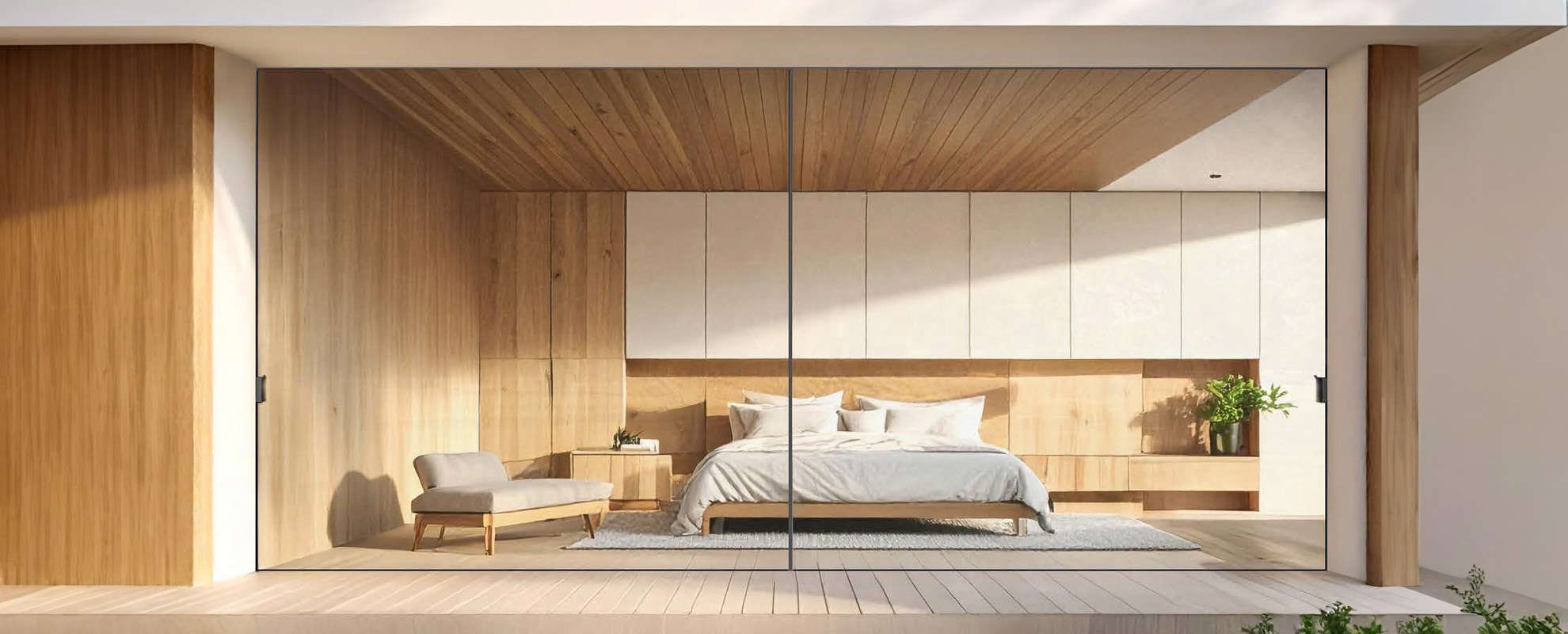
Seamless sliding doors are becoming a more popular choice, particularly in new extensions and larger renovation projects, although many people are not aware this is even an option.
You might hear them described in a few different ways. Terms like disappearing sliding doors or wall pocket sliding doors are often used, as the panels can be designed to slide into a concealed cavity within the wall rather than stacking at the side.
When configured this way, the panels move completely out of sight, leaving the full width of the opening clear. It creates a clean, uninterrupted connection between inside and out, with no visible stack of doors when open.
Even when closed, the design is focused on the view. Systems like this use very slim frames, with a minimal central junction that can be as narrow as around 25mm, so your eye is drawn to the glass rather than the structure.
They do need to be considered early in the design. The wall has to be built or adapted to accommodate the sliding panels, which makes them straightforward to include in a new extension. They can still be explored in existing homes, but it depends on the structure and available space. It is something we can talk through with you and assess properly before any decisions are made.
Chapter 6 - Design Decisions That Make the Biggest Difference
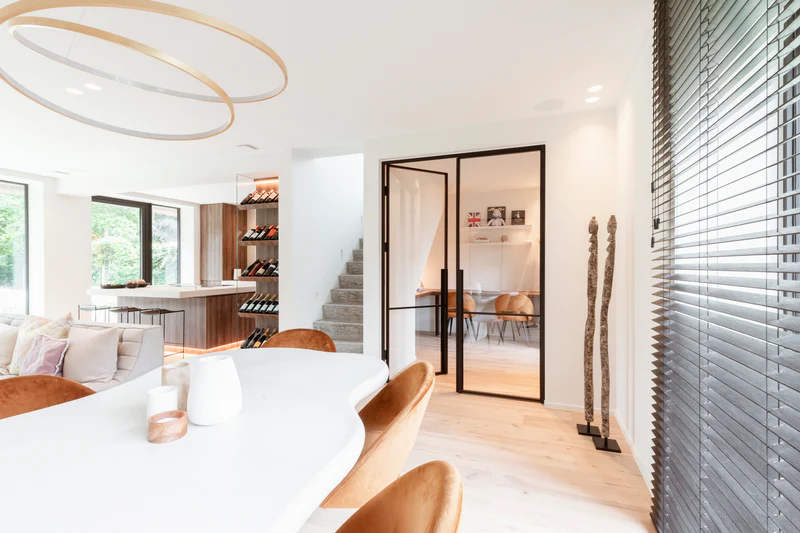
Once you have settled on a door type, the design choices are where the real character of the installation comes from.
Frame material and sightlines
Aluminium frames allow for much slimmer sightlines than uPVC, which means more glass and a cleaner, more contemporary result. For sliding and bifold doors across Warwickshire, aluminium is generally the first choice for any project where aesthetics matter. The difference in sightline width between a standard uPVC bifold and a quality aluminium system is significant when you see them side by side.
Colour and finish
Anthracite grey, black and softer warm greys are the most popular choices at the moment. One of the genuine advantages of aluminium is that it can be powder coated in almost any colour, so there is real flexibility if you want something different.
Dual colour options are also worth considering: a different finish on the inside face versus the outside. This lets you match your interior scheme independently from the external appearance of the property.
Configuration and layout
The way the panels are arranged, how many there are, which direction they open and where the traffic door sits in a bifold system, all have a meaningful effect on how the doors work day to day. Getting this right at the design stage avoids awkward compromises once the installation is in.
Chapter 7 - Understanding Your Glazing Options
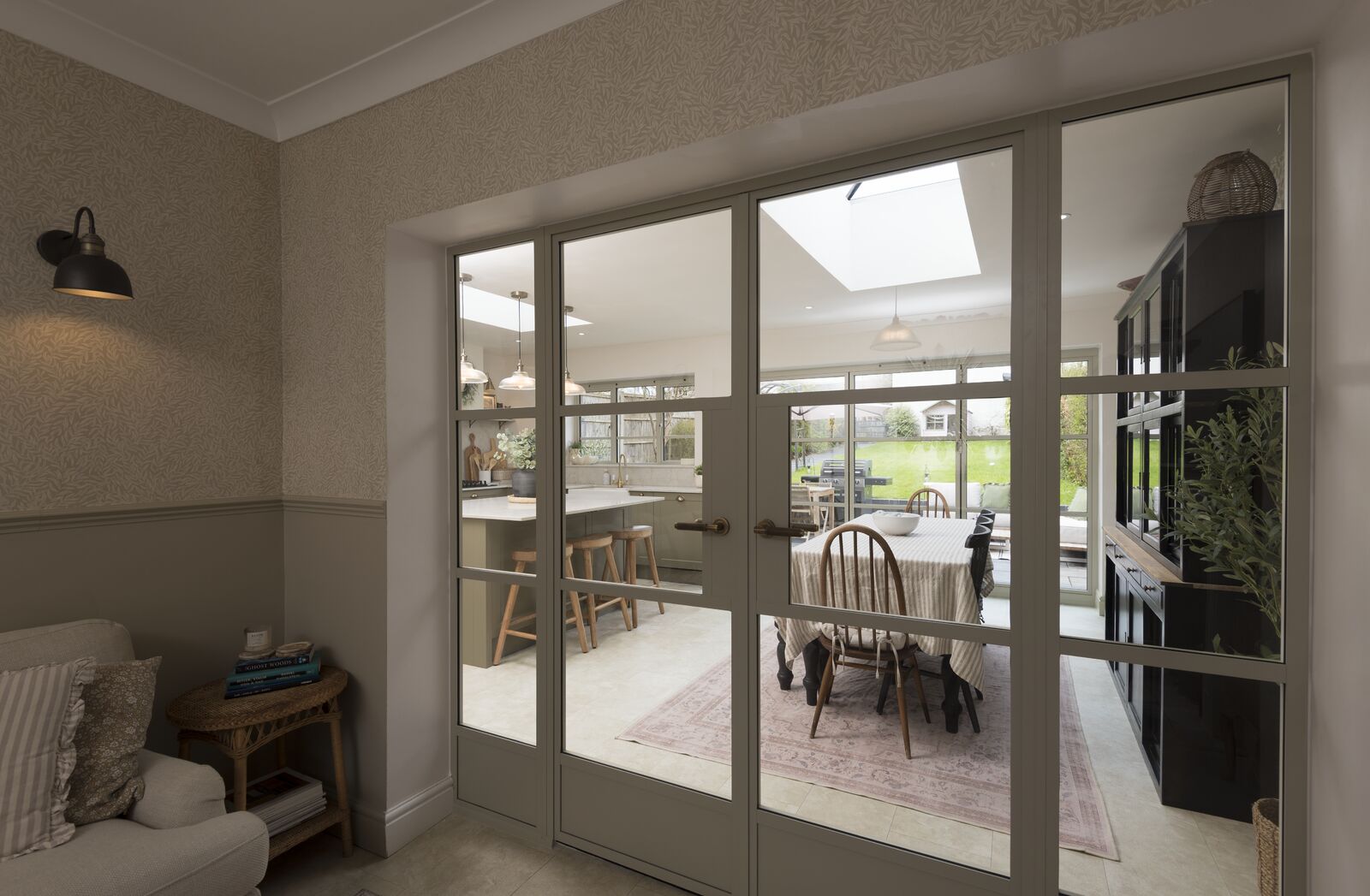
The glass itself does more than let light in. The right specification makes a real difference to comfort, energy efficiency and how the space feels throughout the year.
Double vs triple glazing
Both provide good thermal performance for residential use. Triple glazing can improve insulation further, but the benefit depends on the overall door system and how the building performs as a whole. It is worth discussing your specific situation rather than assuming triple is always the right answer.
Solar control glass
Solar control glass limits how much heat enters the room while still allowing light through. If you are installing large glazed doors on a south-facing elevation, which is common in rear extensions across Warwickshire and South Warwickshire, solar control glass can make a significant difference to comfort in summer.
Low-E glass
Low emissivity glass has a coating that reflects heat back into the room rather than allowing it to escape through the glass. It is standard in most modern aluminium door systems and is one of the main reasons well-specified aluminium doors perform well thermally.
Acoustic and privacy glass
Acoustic glass reduces noise transmission, which is useful if the property is near a road or in a busier area. Privacy glass allows light in while reducing visibility from outside, sometimes useful in more overlooked gardens or ground-floor settings.
Chapter 8 - Will Large Glass Doors Make the Room Too Hot or Cold?
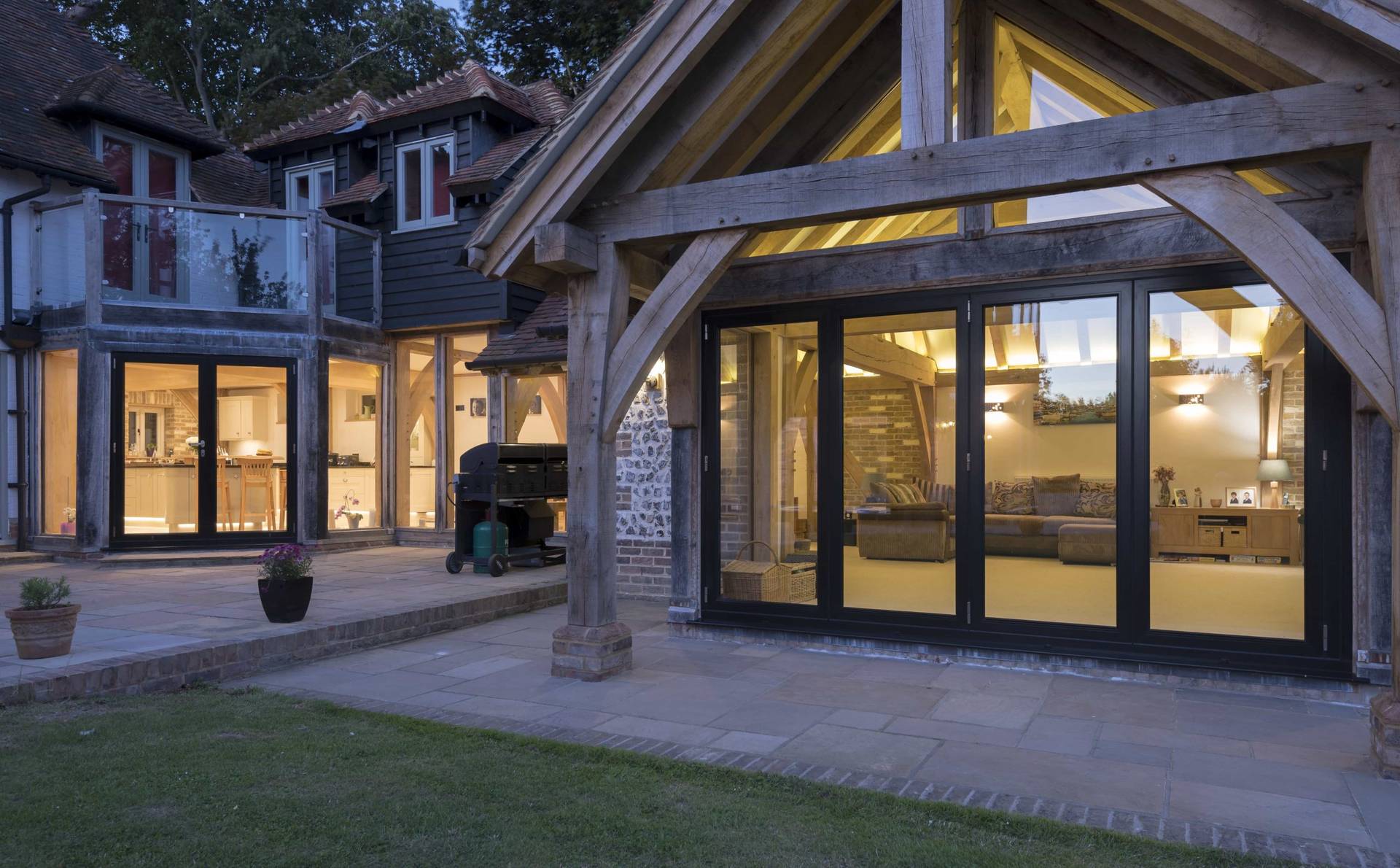
This is one of the most common questions we get asked, and the good news is that modern door systems handle it well.
Today’s sliding, bifold and French door systems are engineered for thermal performance. Frames are designed to minimise heat transfer, and combined with high performance glazing, a well-specified installation keeps rooms comfortable in winter and summer without compromising on the amount of glass.
Solar control glass is particularly worth knowing about. It limits how much heat enters the room on warmer days while still letting the light through fully, which makes a real difference on south and west-facing openings. On north-facing elevations, overheating is rarely a concern at all. Getting the glazing specification right for your orientation is something we work through as part of the design process, so the finished result performs well year-round.
Chapter 9 - Things Worth Thinking Through Before You Commit
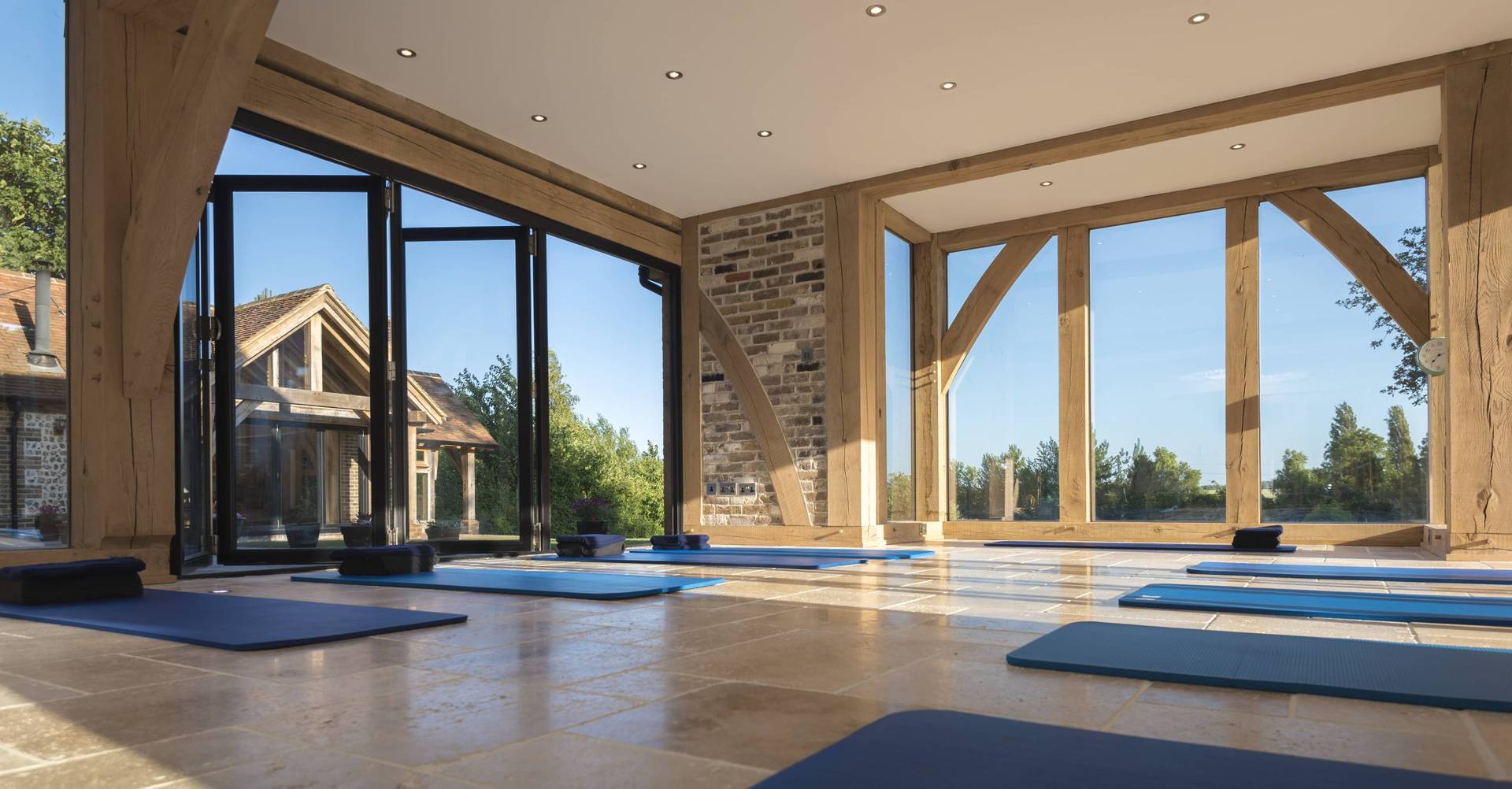
A few practical questions are worth working through at the design stage:
- How much space is there for panels to open or stack? For a bifold system, is there enough clear wall to one side?
- Do you want a flush or low threshold? A flush sill creates a seamless transition between inside and outside but needs to be factored in at the structural stage.
- How large does the structural opening need to be? Larger openings require steel lintels and structural calculation. This is entirely straightforward but needs to be included in the build specification from the start.
- Is this for a new build or an existing opening? New builds offer more flexibility on pocket sliders, threshold design and configuration. Existing openings sometimes have constraints that shape the options.
- How will you use the doors day to day? If the answer is frequently and in all weathers, ease of operation and threshold design become more important than maximum opening width.
Working through these questions early makes it much easier to end up with something that genuinely suits your home and the way you live in it.
Chapter 10 - What Affects the Cost?
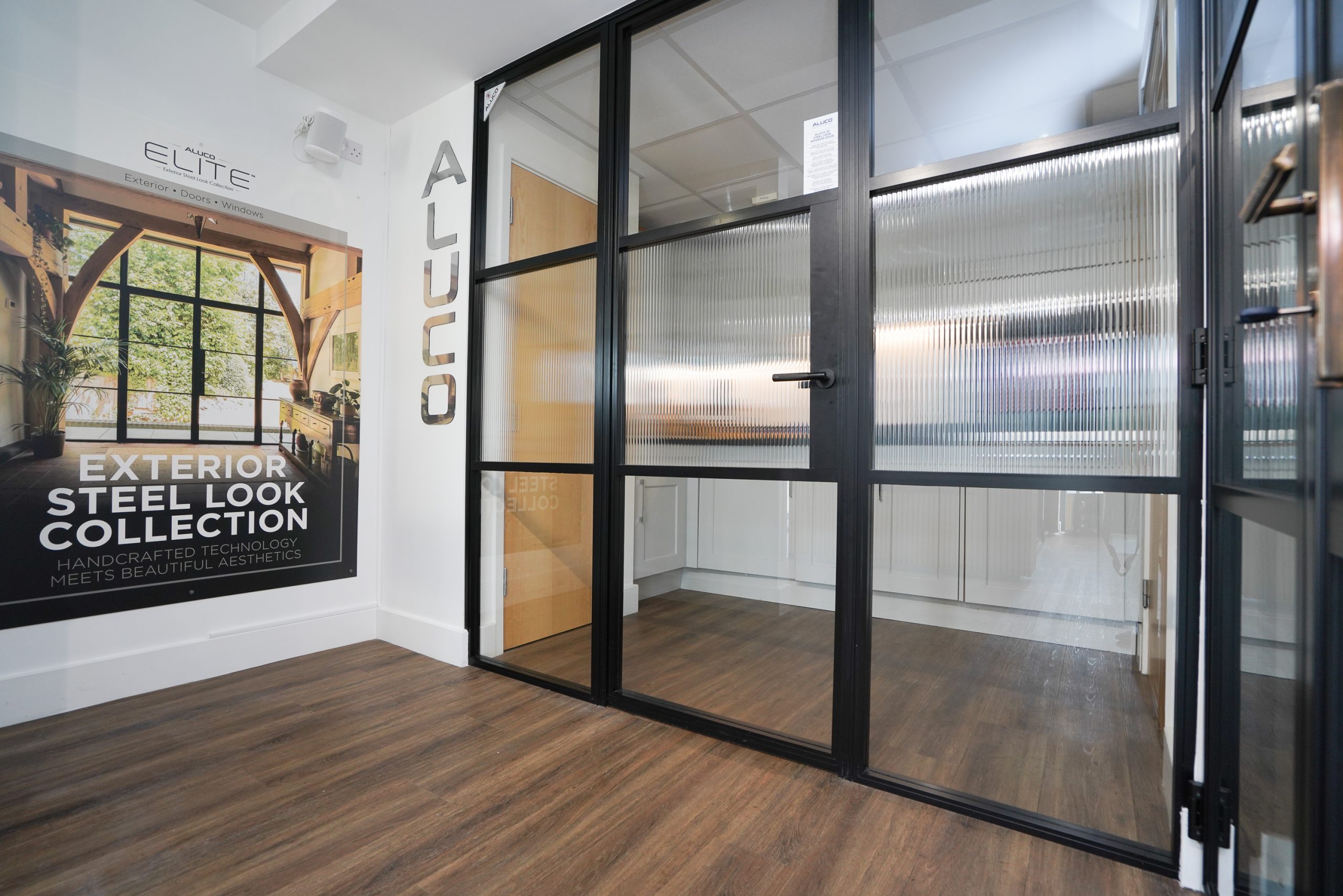
Costs vary considerably depending on the size of the opening, the door type, the frame material and the glazing specification. As a general guide, larger openings with premium aluminium frames and higher-spec glazing sit at the upper end. Smaller bifold or French door configurations in standard specs offer a more accessible starting point.
Sliding doors tend to sit at the premium end for equivalent sizes because the hardware and engineering involved is more substantial.
The most useful thing we can do is look at your specific project and give you accurate figures based on what you are actually trying to achieve. A general ballpark rarely reflects what you will actually be quoted.
Chapter 11 - Getting the Right Advice for Your Project with Fox
Whether you are upgrading existing doors, planning a kitchen extension or designing a garden room from scratch, the glazing choices you make will have a lasting effect on how the space works and feels.
Fox Windows and Doors works with homeowners across Warwickshire and the Midlands, including Kenilworth Leamington Spa, Stratford-upon-Avon, Solihull and the surrounding villages. We are used to working alongside architects and builders on new projects as well as helping homeowners who are managing a project themselves.
If you are at the planning stage and want to talk through your options, or if you would like to see products in person, you are welcome to visit our showroom in Kenilworth or get in touch to arrange a conversation.