




A Glazing Expert’s Guide to Ground Floor Extensions
Brought to You by Fox Windows & Doors
Richard Shares a Practical, Honest Look at Extending the Back of Your Home
For nearly three decades, I’ve worked in glazing and home improvements, helping homeowners rethink and improve their living space. In that time, I’ve seen ground floor extensions completely transform how families use their homes. I’ve also been asked to put right projects where things weren’t planned properly or installed to the standard they should have been.
Extending at the back of your home is exciting. It gives you the opportunity to open up your kitchen, bring in more light, connect with your garden and create a space that genuinely works for modern life.
But it’s also a significant structural change. It affects foundations, steelwork, insulation, glazing, drainage and long-term performance. It deserves careful thought and the right team behind it.
In this guide, I’ll walk you through what you really need to consider before building a ground floor extension.
Chapter 1 - Why Homeowners Extend Rather Than Move
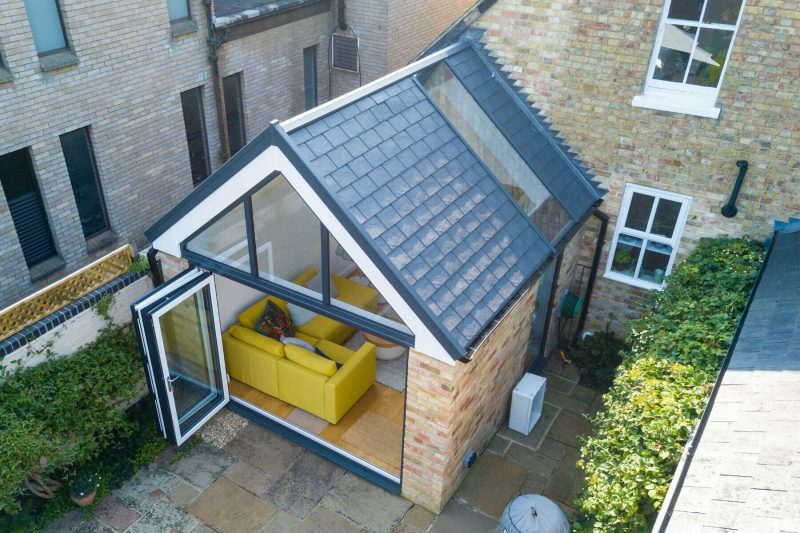
In many cases, the house itself is not the problem. It is how the downstairs layout works.
We often hear that the kitchen is too small, that separate dining rooms are rarely used, or that the garden feels disconnected from the home. Families grow, lifestyles change, and the original layout no longer fits.
Moving house comes with stamp duty, legal fees, removals and the uncertainty of renovating again. Extending allows you to keep what you like about your home while improving what no longer works.
A well-designed rear extension can create a proper open plan kitchen and family space, improve natural light throughout the ground floor and make everyday living more practical.
💡 Fox top tip: Before you think about how far to extend, think about how you want the space to function day to day.
Chapter 2 - What is a Ground Floor Extension?
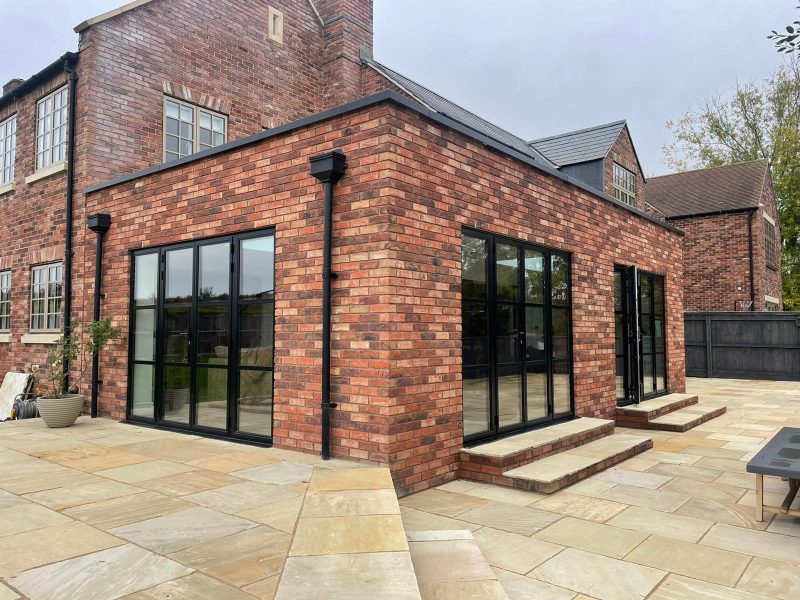
A ground floor extension is typically a single-storey addition built onto the rear of your property. It usually involves new foundations, brickwork, structural steel to support removed walls and a new insulated roof structure.
In many projects, the entire rear wall of the house is removed to create one continuous open space.
Unlike a conservatory, a traditional extension is structurally integrated into the home and must comply fully with Building Regulations. These regulations govern structural safety, insulation levels, ventilation and thermal performance.
Because this is structural work, it requires careful planning and proper coordination between builder, structural engineer and glazing installer.
💡Fox top tip: Always confirm who is responsible for structural calculations and Building Regulations sign-off. Clarity here avoids problems later.
Chapter 3 - Types of Ground Floor Extensions
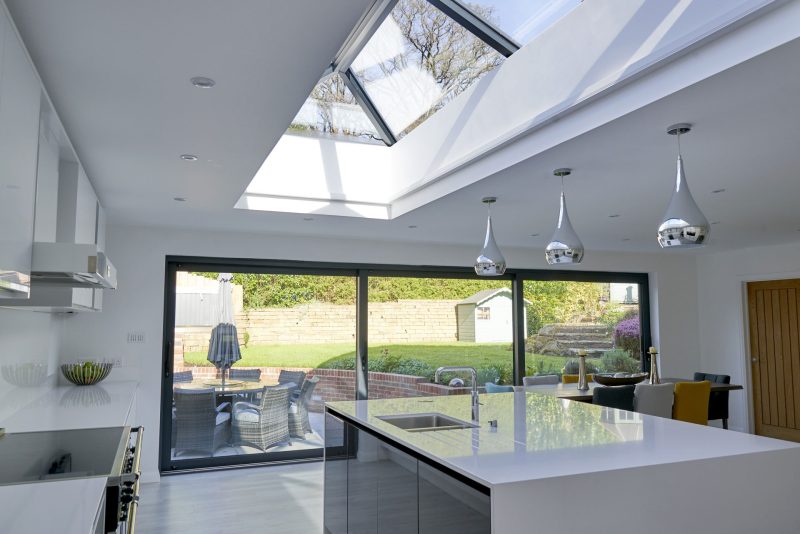
A rear kitchen extension is the most common type of project. It extends into the garden and transforms a smaller kitchen into a full kitchen and dining space, often becoming the main family room of the home.
A wrap-around extension combines a rear extension with a side return, something we often see in older terraced properties. This approach can dramatically increase both width and depth, creating a much more usable layout.
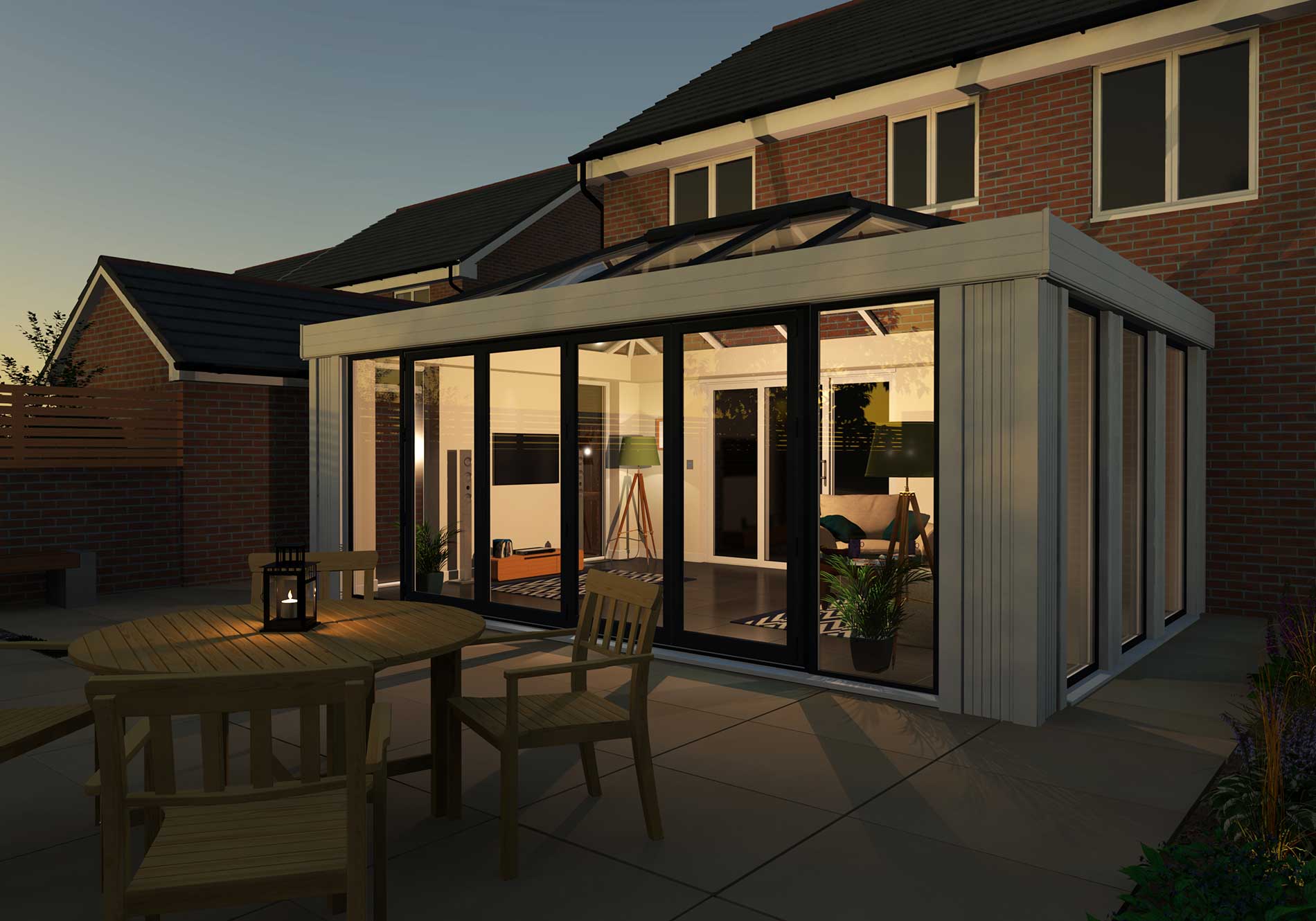
An orangery-style extension blends brickwork with large glazed areas and roof lanterns. It offers more light than a traditional extension while still retaining the solid feel of a permanent structure.
A conservatory-style extension is another option, particularly where homeowners want more glazing and a slightly lighter structure. Modern conservatory systems, especially those with insulated roof options, can perform very well when designed correctly. They can be a more cost-effective alternative to a full brick-built extension, depending on how the space will be used.
A glass-led extension is designed around large sliding doors and fixed glazing panels, creating a contemporary appearance with strong visual connection to the garden.
Each option suits different properties and budgets. The right choice depends on how you want to use the space and the style of your home.
Chapter 4 - How much Does a Ground Floor Extension Cost?
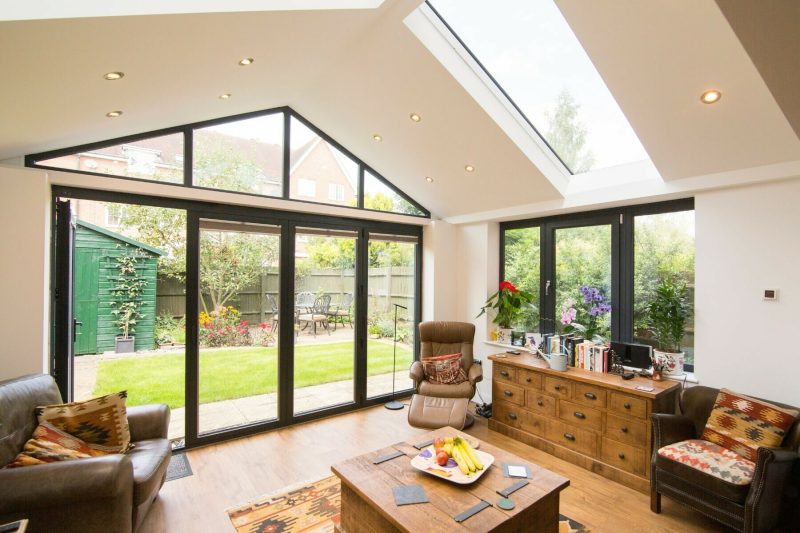
This is one of the most searched questions for good reason.
Costs vary depending on size, structural complexity, roof type, internal finishes and glazing choice.
Build costs are often discussed in terms of price per square metre, but that figure alone does not tell the full story. Steelwork, drainage relocation, insulation standards and glazing systems can significantly influence the final cost.
For example, a standard extension with basic patio doors will cost considerably less than one featuring large aluminium sliding doors with minimal sightlines and roof lanterns.
A proper estimate should follow a site visit and discussion about design and structural requirements. Quick quotes without context can be misleading.
💡 Fox top tip: Ask for a detailed breakdown of what is included in the price. Make sure structural work and glazing specifications are clearly defined.
Chapter 5 - Do you Need Planning Permission?
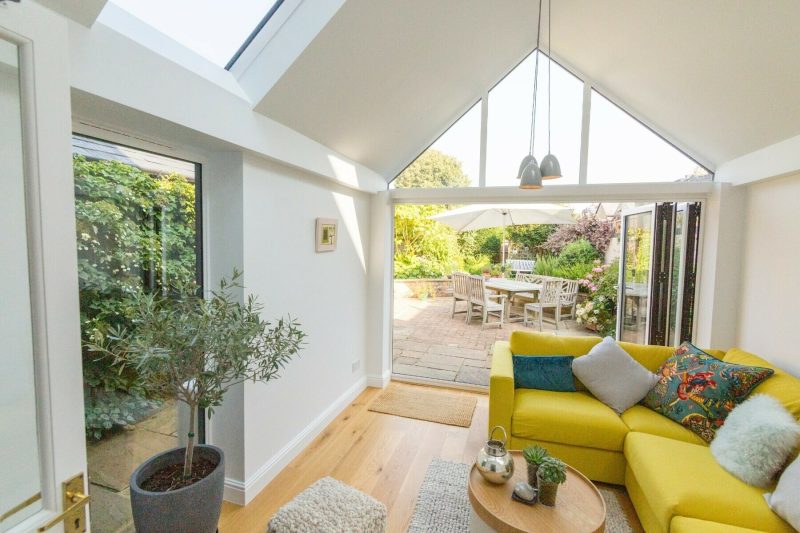
Many single-storey rear extensions fall under permitted development rights, but limits apply regarding depth, height and boundary distance.
You may also need to consider party wall agreements if structural work affects shared boundaries.
Regulations exist for good reason. They protect structural safety, thermal performance and long-term durability.
💡 Fox top tip: Check planning and Building Regulations early. Redesigning after foundations are dug is far more expensive.
Chapter 6 - Choosing the Right Glazing
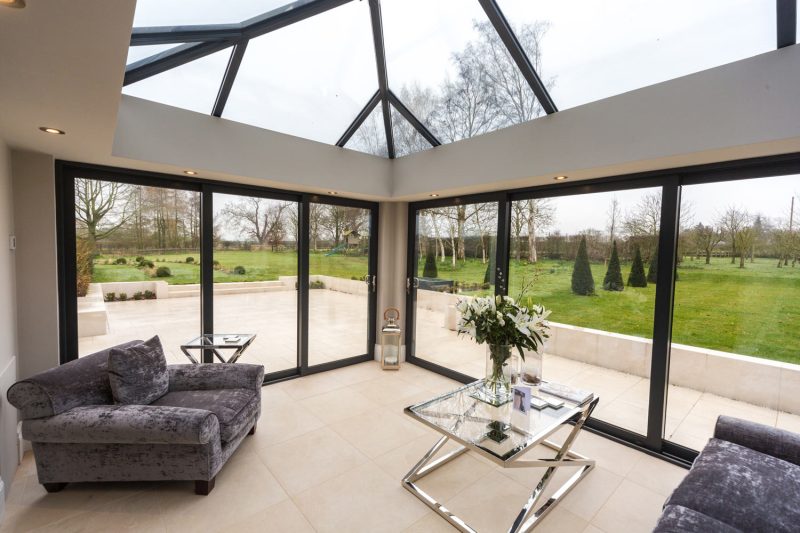
Glazing is one of the most important decisions in any extension.
Sliding doors offer larger glass panels and fewer vertical frames, creating cleaner sightlines. Bifold doors allow wider openings but introduce more visible framing.
Aluminium systems allow slimmer profiles and larger spans than uPVC. Thermal performance and correct installation are critical to avoid heat loss and water ingress.
We have replaced poorly installed doors that dropped within a few years due to inadequate support. Installation standards matter as much as product choice.
💡 Fox top tip: Do not select glazing purely on appearance. Make sure it is structurally supported and installed to recognised industry standards.
Chapter 7 - Choosing a Reputable Company
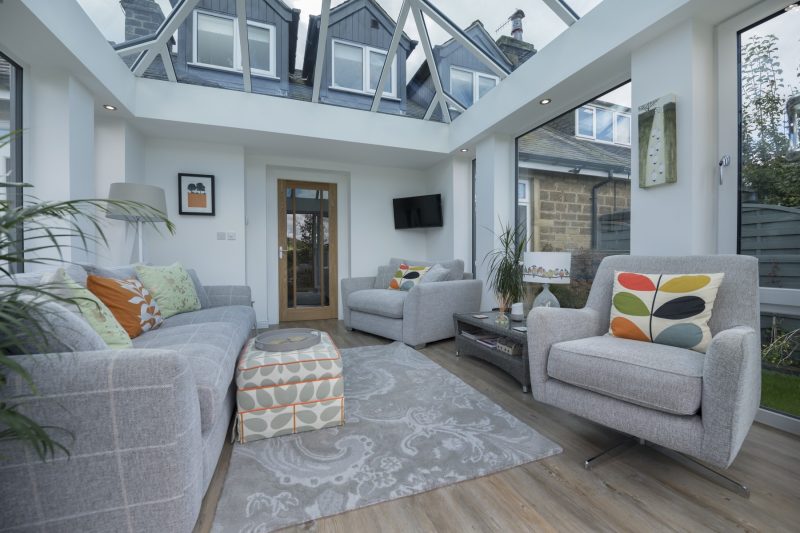
An extension is a major structural alteration.
We have been asked to rectify projects where roof lanterns leaked, sliding doors were misaligned and insulation was below standard.
Before appointing a company, ask:
- Who manages the full project?
- What guarantees are provided?
- Are products backed by manufacturer warranties?
- Who do you contact if something fails in five years?
💡 Fox top tip: A reputable company will explain its guarantees confidently and in writing. If you struggle to get straight answers, think carefully before proceeding.
Chapter 8 - What the Process Should Look Like
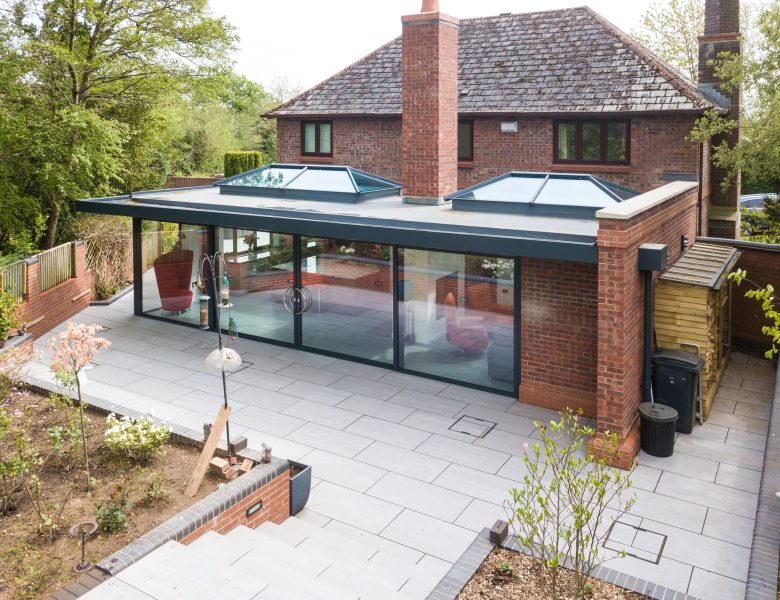
A well-managed ground floor extension should follow a clear and logical structure. If the process feels rushed or unclear at the beginning, that is usually a warning sign.
It should start with a proper consultation and site visit. This is where feasibility is discussed, measurements are taken and early ideas are explored. From there, design work and structural planning begin, including input from structural engineers where required.
If planning permission is needed, this stage is addressed before construction begins. Building Regulations requirements should also be identified early so that insulation, ventilation and structural standards are built into the design from the outset.
Once approvals and calculations are in place, groundwork and structural construction take priority. Foundations are prepared, steel supports are installed and the new structure is built before glazing is introduced. Only when the structure is ready should sliding doors, bifold doors, roof lanterns or fixed glazing be fitted.
The final stages involve internal finishes, inspections and handover. At each stage, you should understand what is happening and why.
Clear communication throughout the project makes a significant difference. You should never feel unsure about what comes next.
💡 Fox top tip: Before work begins, ask who your main point of contact will be from start to finish.
Chapter 9 - Final Thoughts
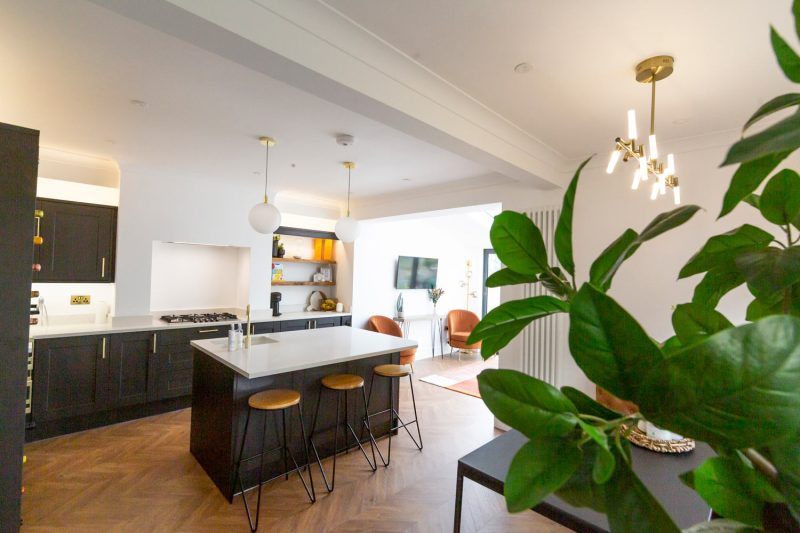
A ground floor extension or conservatory can transform how you use your home. It can bring light, space and long-term value.
But it requires proper planning, structural understanding and the right team.
If you are considering extending your home and would like straightforward advice before making decisions, we are always happy to talk through options and explain what would work best for your property.
Chapter 10 - How Fox Windows & Doors Can Help

At Fox Windows & Doors, we take pride in our premium, expanding product range, locally recognised quality, customer service, and expert installation team.
If you’ve got a vision in mind, need advice, or are ready to get started, you can book a free consultation with a member of our friendly and experienced team, or start your free, no-obligation quote using our online quoting tool.
Let Fox help you turn your home extension dream into a reality today. Get in touch today!
