




A Homeowner’s Guide to Noise-Reduction Windows and Soundproof Glass
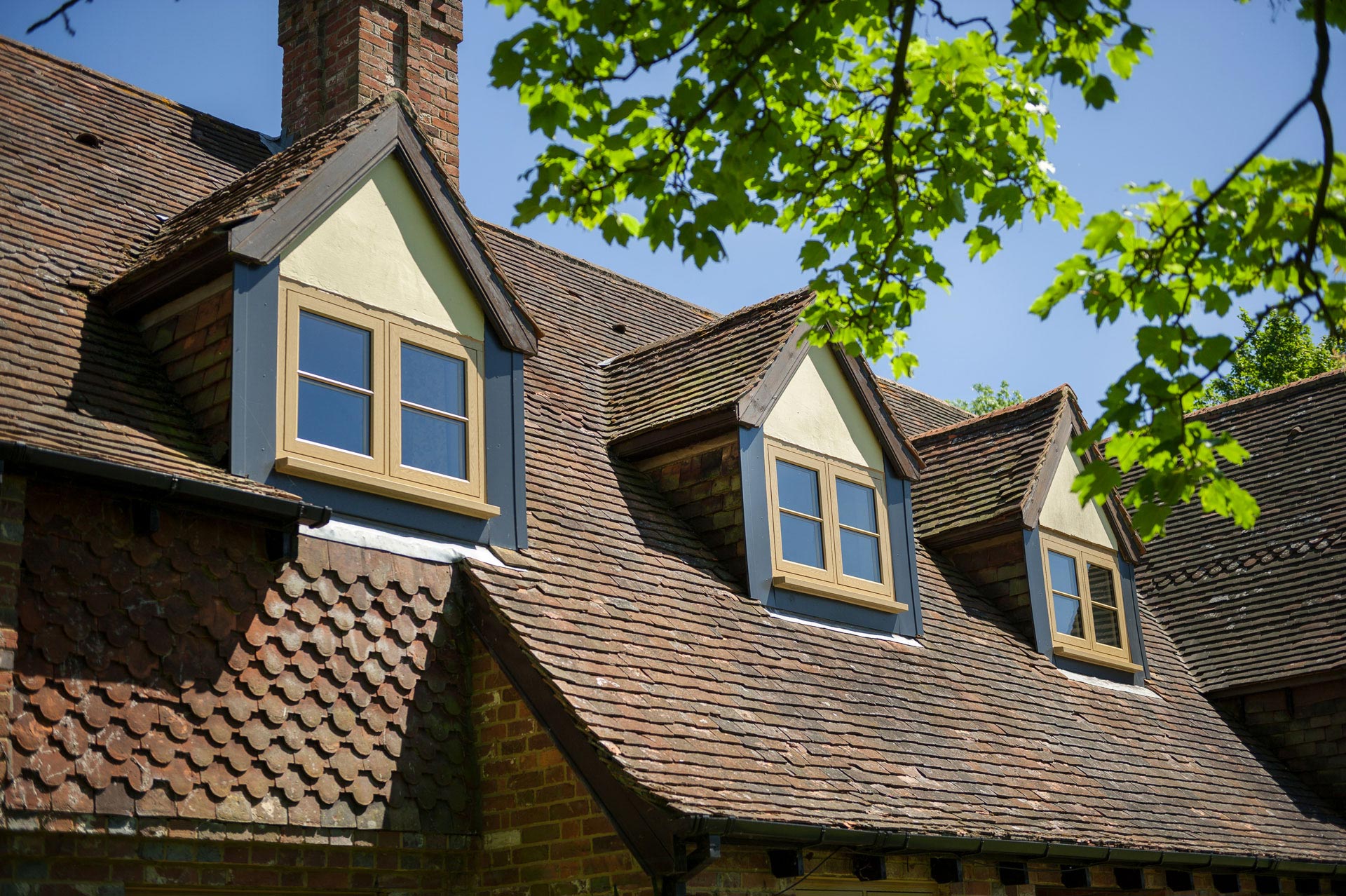
Welcome to Fox Windows & Doors Guide to Noise Reduction Windows
Living in a noisy neighbourhood, whether that’s near a busy road, railway, airport, or a bustling urban area, can gradually take a toll on your comfort and wellbeing. And while soft furnishings, curtains, and landscaping can help dampen noise, the main culprit for unwanted sound is often your windows.
Upgrading to high quality windows that are designed for noise reduction (which can also sometimes include acoustic or soundproof glass) can dramatically reduce external noise. This guide will explain why noise enters your home, how soundproof windows work, what options are available, and how to choose the right solution for your home.
Explore our window range on the Fox Windows & Doors website, and get in touch with our expert team today for more information.
Chapter 1 - What Causes Noise to Enter Your Home?
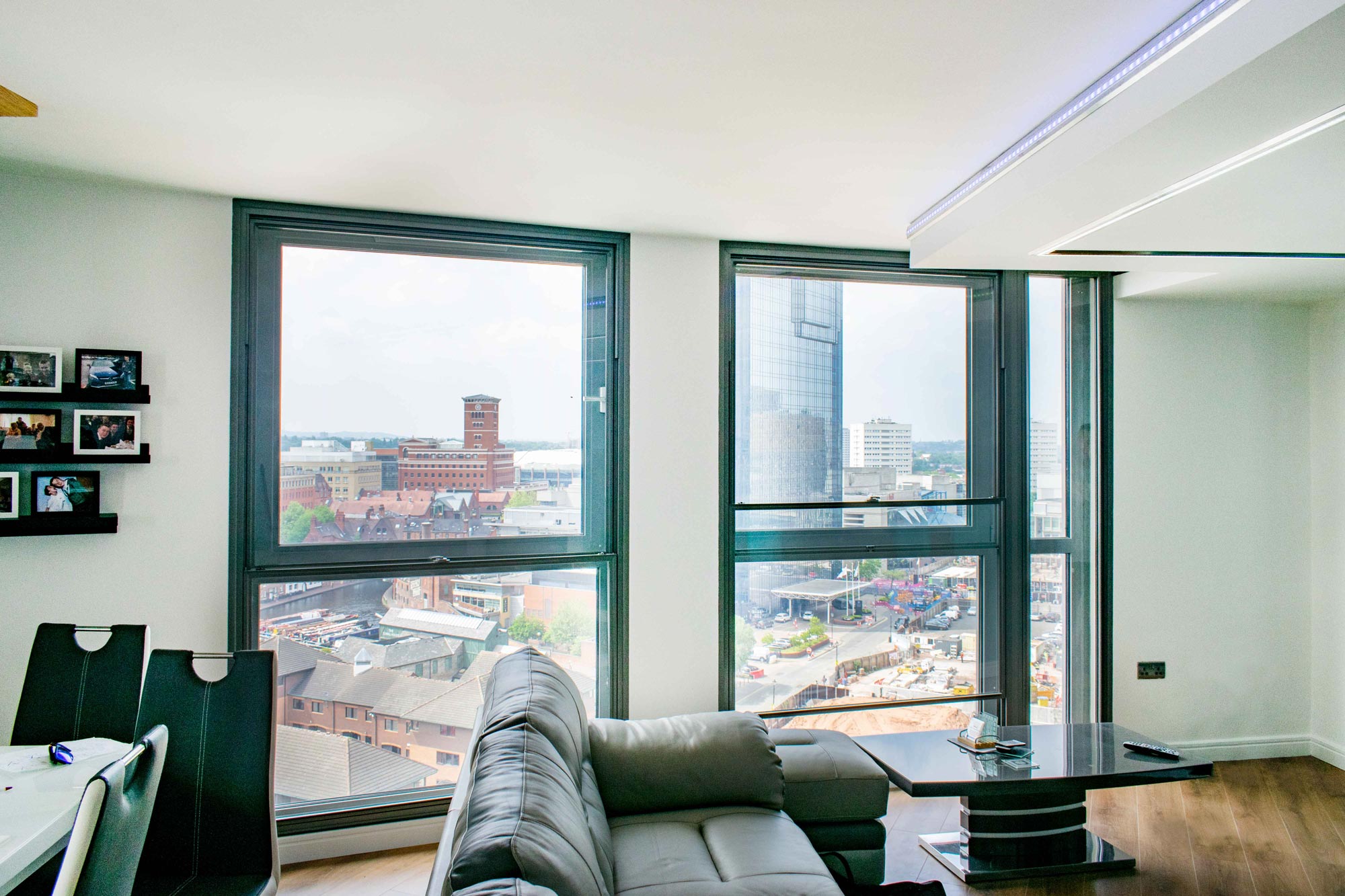
There are several reasons why noise may be entering your home and causing an uncomfortable indoor environment. A few examples include:
- Airborne noise travelling through glass – Sound waves from traffic, aircraft, neighbours, or street activity travel through the air and hit the window glass. And because of the medium of glass, those sound waves easily transmit through into your home.
- Structure-borne noise through frames and seals – Sound doesn’t just pass through the glass itself. Vibration can travel through window frames, around poorly sealed edges, or via gaps around sashes, trickle vents, and junctions.
- Resonance and frequency-specific transmission – Some external noises (especially low‑frequency rumbles from traffic or aircraft) can be harder to stop. If the glazing and frame are not optimised for a range of frequencies, certain types of noise may still enter, even if high‑frequency noise is mitigated.
Because of these different points of entry for external noise, effective noise reduction requires more than just a few more millimetres of additional glass. Looking at the glass type, the seals, and the frame design together will make a quieter, calmer home far more achievable.
Chapter 2 - What Are Noise Reduction Windows?
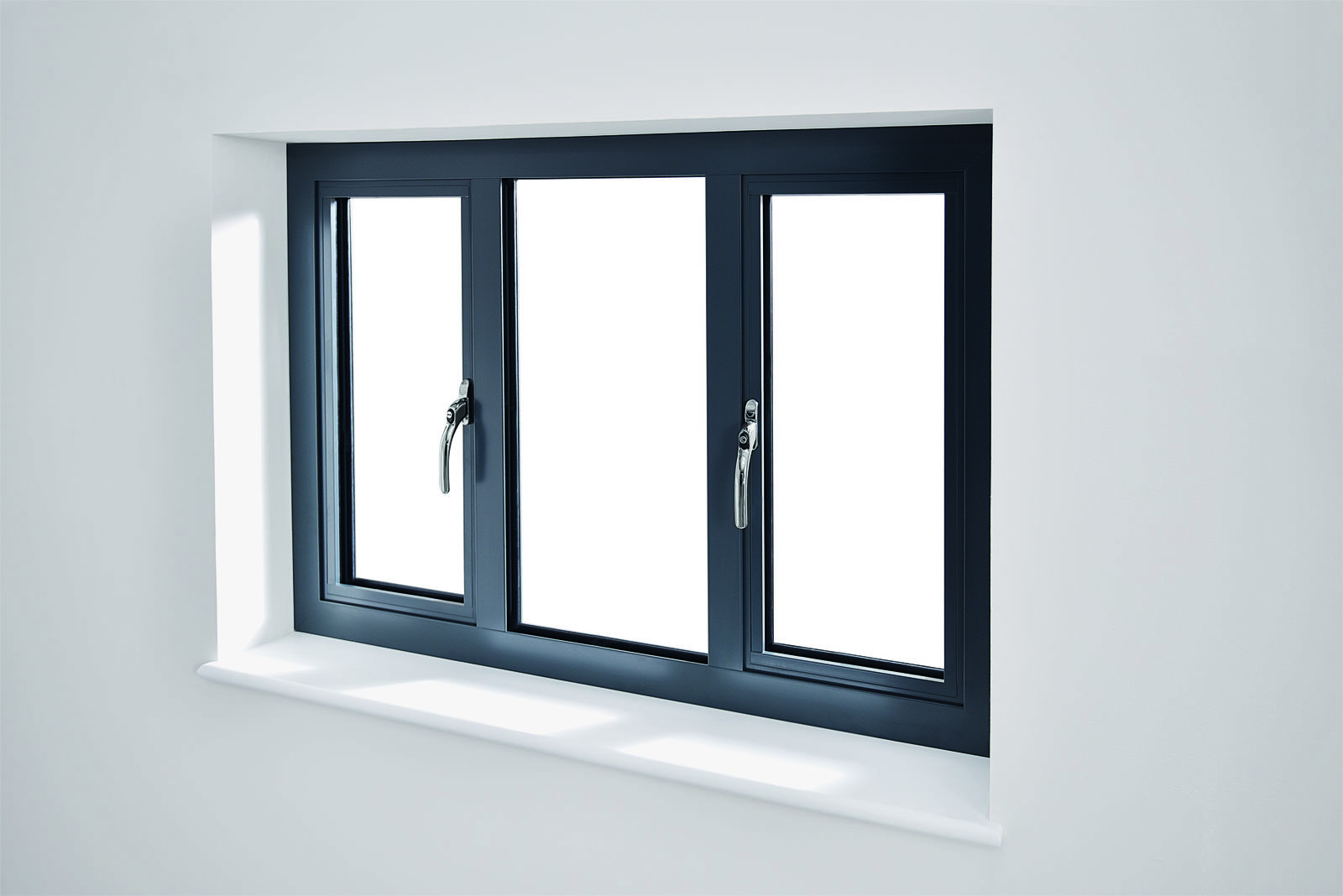
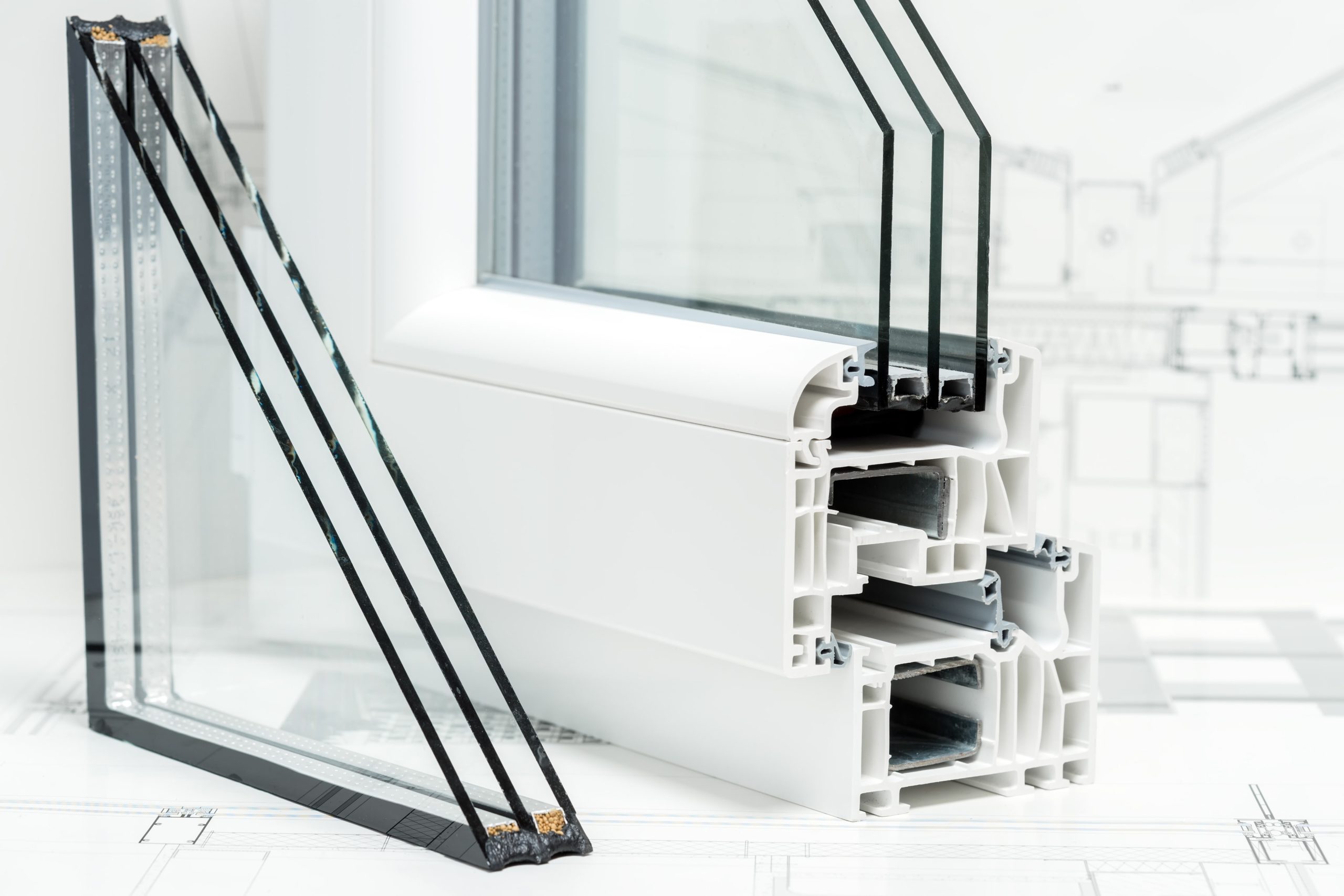
Noise reduction windows are specially designed window units that go beyond standard glazing to significantly reduce the amount of external sound entering your home. These types of windows typically combine one or more of the following features:
- Multiple panes (double glazing, triple glazing, or secondary glazing)
- Special acoustic glass or laminated glass (with sound‑dampening interlayers)
- Wider and optimised air or gas‑filled cavities between panes
- Well designed, heavy or multi‑chambered frames with tight seals
Windows that contain these features are engineered to address the ways sound travels, including glass, air, and structure, with the aim to block, absorb, or dissipate the noise before it reaches the inside of your home.
Chapter 3 - How Soundproof Glass Works
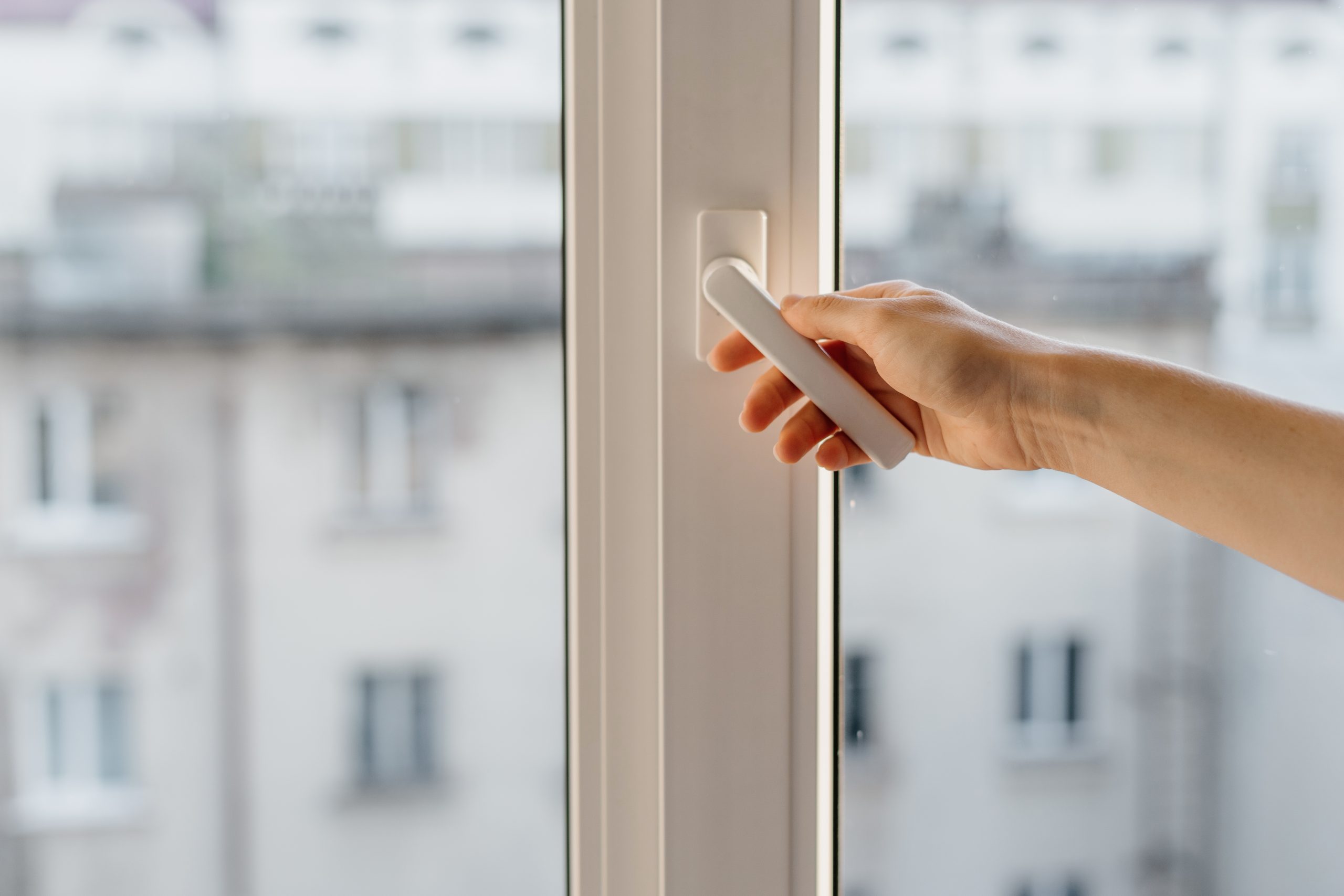
You may be wondering, how does soundproof glass work? Here’s a breakdown of the main soundproofing principles at work:
- Mass – Thicker glass (or the addition of multiple panes) adds mass, making it harder for sound vibrations to travel through.
- Absorption / damping – Acoustic glass often includes a thin plastic interlayer (commonly PVB) between glass sheets. This layer absorbs vibration and dampens sound transmission.
- Decoupling & disruption – Using panes of different thicknesses, or creating uneven spacing between them, disrupts sound waves and prevents resonance (which can amplify certain frequencies).
- Cavity space (air or gas gap) – A sealed cavity between panes acts as a buffer that reduces the transfer of sound. Larger gaps generally provide better sound insulation.
- Sealing & frame integrity – Even the best glazing can be undermined by poor installation: gaps, weak seals, thin frames or points where vibration can bypass the glass will reduce effectiveness.
When combined, these aspects allow acoustic windows to reduce a significant amount of external noise, often transforming a noisy street view into almost peaceful quiet indoors.
Chapter 4 - Types of Noise‑Reduction Glazing
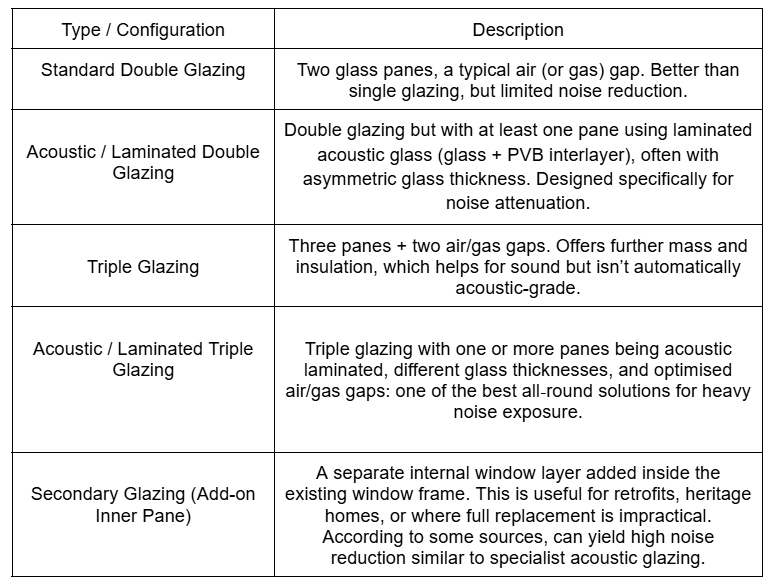
Here are the most common glazing and frame configurations available for homeowners seeking to reduce noise:
Chapter 5 - How Effective Are Soundproof Windows?
- Standard double glazing might reduce noise by around 20 – 30 dB compared with a single pane
- Good quality acoustic windows, e.g. acoustic laminated glazing, or acoustic triple glazing, may achieve 35 – 54 dB reduction, depending on build quality, glass, air gap, frame and installation
- A noisy street at 65 dB might be reduced to around 35 – 40 dB indoors, roughly converting loud traffic to soft background noise or quiet conversation level
Whilst all of this will contribute to a more serene indoor living space, the effectiveness of these changes depends heavily on the correct installation, sealing, and frame quality.
For expert installation with premium products, get a free, no obligation quote with Fox Windows & Doors today.
Chapter 6 - Choosing the Right Option for Your Home
When deciding what kind of noise‑reduction windows you need, there are a few questions you can ask yourself to make the decision easier.
- How bad is the noise?
Is it occasional traffic noise, or constant rumble from main roads, trains or aircraft? Heavy, low‑frequency noise often requires acoustic laminates or triple glazed acoustic units.
- Is this a retrofit or a new installation?
For existing buildings, acoustic double glazing or secondary glazing may be easier. For new builds or full renovations, acoustic triple glazing may be worthwhile.
- What’s your budget?
Acoustic or laminated units typically cost more than standard glazing, but often deliver better performance dramatically. Secondary glazing can be a cost-effective option with minimal disruption.
- Is thermal insulation also a goal?
If you want both noise and energy efficiency, a well high performance acoustic triple glazed window will likely improve both of these things.
- What about frame style & building age?
Older buildings or heritage homes may benefit from timber or composite frames, but these must still be properly sealed and installed. Secondary glazing is also a strong option for period properties, as it adds an extra barrier to noise without altering the external appearance of the building.
Chapter 7 - Best Window Frame Material for Noise Reduction
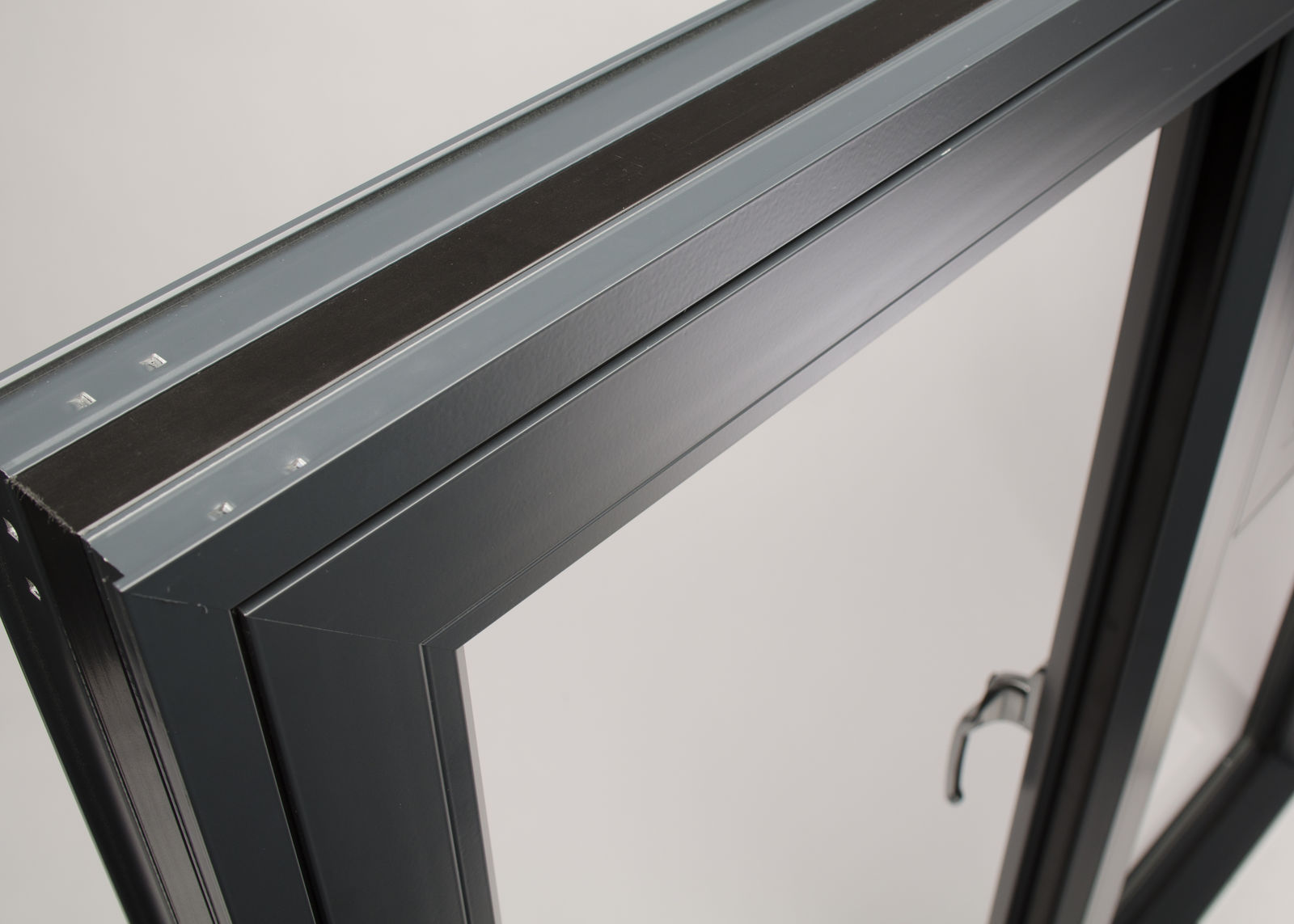
The frame material of your window matters almost as much as your choice of glazing. From modern uPVC to traditional timber, here are a few things to keep in mind when you choose the material of your window frame.
- uPVC Window frames – These are a popular and cost‑effective choice for homeowners. If they are well made and installed with good seals, they will perform excellently for noise reduction and thermal insulation.
- Timber window frames – Timber is naturally dense and good at damping vibration. These are also often preferred in older or traditional homes and in conservation areas.
- Aluminium window frames – Similarly, due to the sturdy nature of aluminium, this window frame material is a great barrier against unwanted sound waves entering your home.
- Seals and multi‑point locking/compression seals – Regardless of frame material, sealing is crucial: poor seals or gaps around the window are a weak link that lets sound (and draughts) through.
Whilst the best frame for your window does matter, the most important aspect that can make or break the effectiveness of your noise reduction is the quality of installation.
At Fox Windows & Doors, our expert team of installation professionals have extensive experience installing windows throughout Warwickshire and the surrounding areas. As a Which? Trusted Trader and an Origin Premium Partner, you can have peace of mind that our products and our services are among the best in the industry.
To speak to one of our experts, get in touch online today. Or, receive a free, no obligation quote for your next home improvement project, use our online quoting tool.
Chapter 8 - Professional Installation & Sealing: Why It’s Critical

Even the highest-quality acoustic glass won’t perform well if installed poorly. Some common pitfalls can include:
- Gaps between the frame and the wall can allow “flanking” sound paths.
- Poorly sealed sashes or perimeter, which defeats the purpose of acoustic glazing.
- Mismatch between frame and glazing weight – heavy acoustic triple‑glazed units can strain frames that aren’t up to standard.
- Incorrect pane spacing or using glass of identical thickness, reducing effectiveness, especially on low-frequency noise.
Because of these potential pitfalls, it is highly recommended that your windows are fitted by experienced professionals. This is because a good installation ensures that the frames are level, and the seals are tight, giving the acoustic glazing the best chance of delivering excellent levels of noise reduction.
Chapter 9 - Noise Reduction Windows Cost & Value: What Homeowners Can Expect
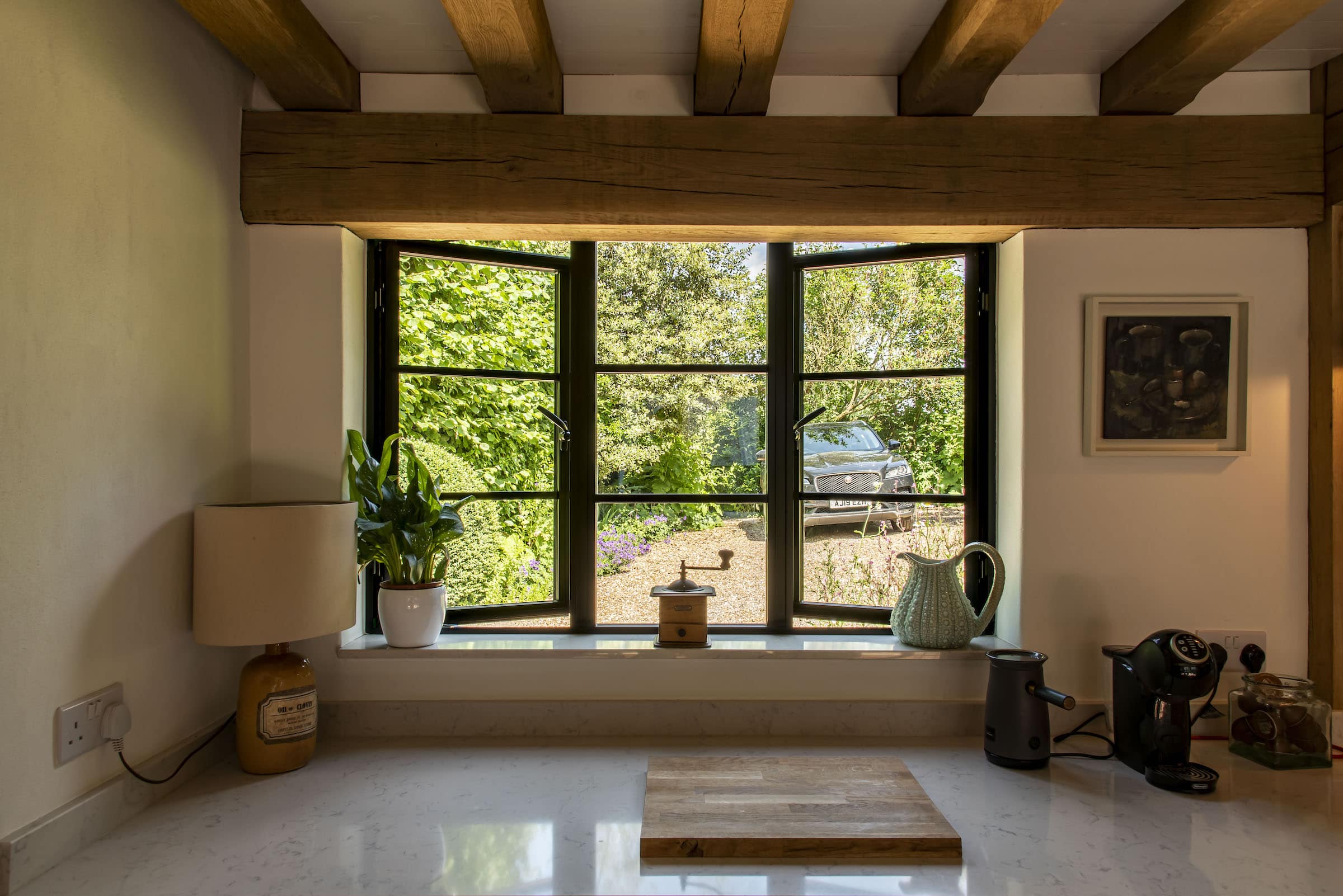
The next question when it comes to thinking of window upgrades is evaluating the cost and value. Here is a simple breakdown to give you an idea of the kinds of cost you can expect for each type of acoustic glazing.
- Double glazing – This comes as standard across UK window companies, and remains the most affordable option that may suffice for moderate noise levels (for example, occasional road noise or urban ambient noise).
- Acoustic double glazing / laminated units – This type of acoustic glazing generally costs more, but the extra expense is often worth the investment if noise is a constant problem. The improved comfort, better sleep, and potential uplift in property value can offset the higher upfront costs.
- Triple glazing or secondary glazing – This is usually the most expensive solution, but also delivers the highest noise reduction, and adds thermal efficiency and better long-term performance.
- Long-term value – Quiet, well-insulated homes tend to feel more comfortable, can generally reduce stress levels, improve sleep quality, and make living spaces more versatile (better for home offices, restful bedrooms, etc.).
Though exact costs vary depending on window size, window frame material, glazing quality and labour, many homeowners find acoustic upgrades worth the investment, especially in particularly noisy areas or where peace indoors is a priority.
To browse the Fox Windows & Doors window range, visit our website today. Alternatively, if you know which type of window you’re going to choose to transform your home’s comfort, energy efficiency, start your free quote online today.
How Fox Windows & Doors Can Help

Noise pollution is more than just a nuisance, it can affect sleep, concentration, and general well‑being. Windows are one of the main entry points for external noise, but upgrading to acoustic or soundproof windows offers a powerful solution. By combining acoustic glazing, well-chosen frames, airtight sealing, and professional installation, you can dramatically cut noise levels entering your home.
Whether you opt for acoustic double glazing, triple glazing, or secondary glazing, what matters most is careful specification and quality installation. For many homeowners, the result is quieter, more peaceful living, and a home that truly offer you a sense of calm.
To transform your home into a sanctuary you can enjoy once more, get in touch with the team at Fox Windows & Doors today.
To receive a free, no obligation quote, use our online quoting tool for your premium, noise reducing window solution today.
