




The Complete Guide to Choosing the Right Windows for Your Home

Welcome to Fox Windows & Doors: The Ultimate Guide to Windows
Choosing new windows for your home can make a real difference. The right design and fit can transform how your home looks and feels, by improving comfort, energy efficiency, and security, while enhancing everyday living.
At Fox Windows & Doors, we’ve helped thousands of customers across the Midlands choose windows that not only look great but perform brilliantly too. This guide brings together what we’ve learned through years of design, planning, and installation experience. Our aim is to share that knowledge so you can make confident, well-informed choices for your home.
Chapter 1 - The Importance of Choosing the Right Windows
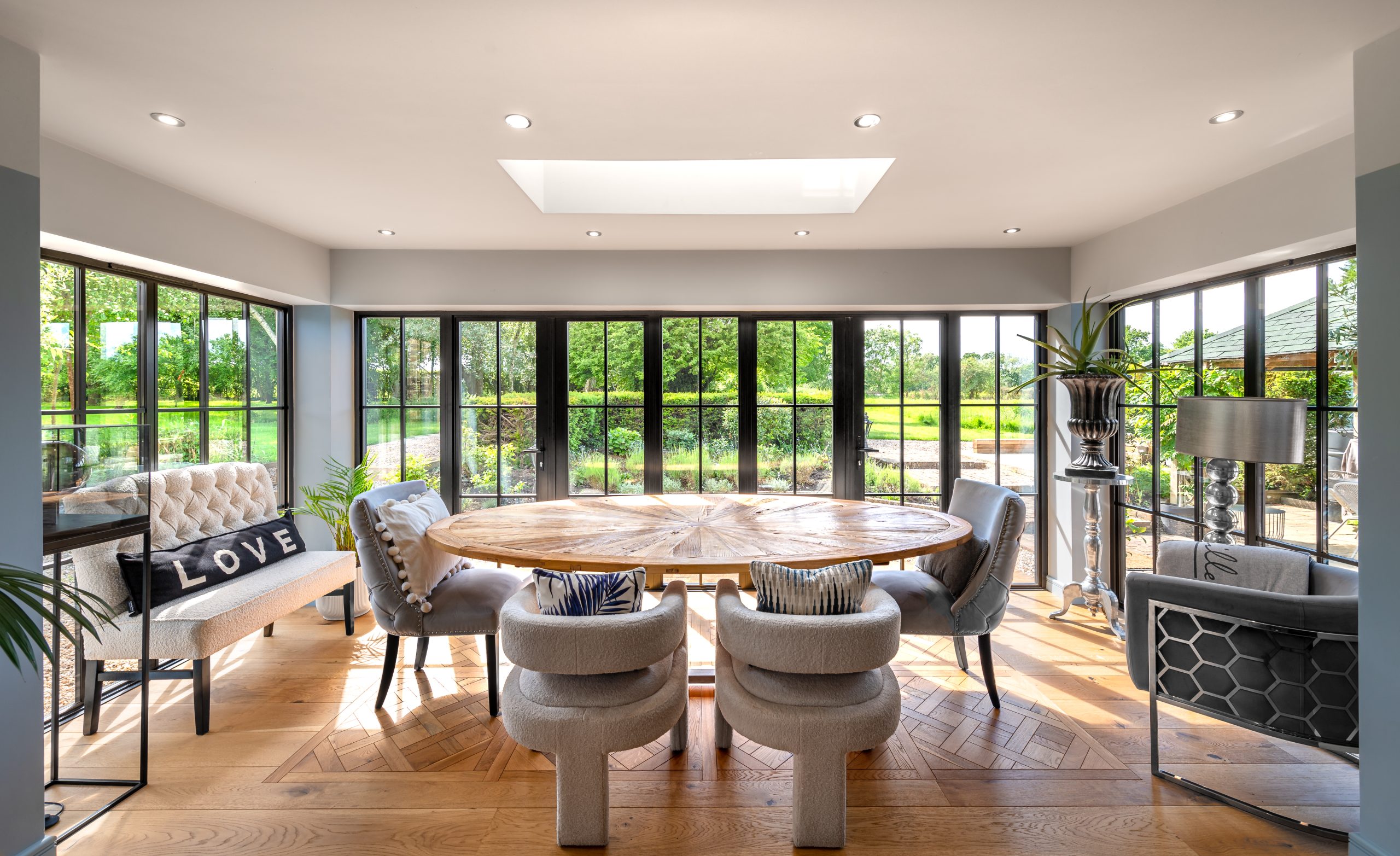
The windows you choose play a vital role in how your home looks, feels, and performs. Beyond simply letting in light, they’re a key part of your home’s thermal barrier, and if your current windows are old or underperforming, they could be its biggest weakness.
Replacing tired or inefficient windows can make an immediate difference. You’ll not only eliminate draughts and cold spots but also reduce the risk of condensation, mould, and mildew, issues that can damage both your home and your health over time.
High quality, energy efficient windows help create a more consistent indoor temperature, meaning you’ll rely less on your heating system. That translates to lower energy bills and a smaller carbon footprint, all while making your home more comfortable throughout the year. Modern window systems also bring significant advances in design, glazing, and security. With multi-point locking and precision-engineered frames, today’s windows don’t just look great,they add measurable value to your home while keeping it safe and secure.
Chapter 2 - Types of Windows Explained: Casement, Sash, Secondary, Tilt & Turn, and Bay
It’s undeniable that there is an extremely wide range of window styles available on the market, which often leads homeowners to wonder which one is the right choice for them.
The style of window you choose affects how your home looks, feels, and performs. It also determines how the window opens, how easy it is to clean, and how much air and light it brings in.
Here’s a breakdown of the main styles and what to consider with each.
Casement Windows – The Modern All-Rounder
Casement windows are the most common style in the UK. They open outwards on side hinges and close tightly against the frame, making them highly energy efficient and weather resistant. They suit most property types, are available in a range of configurations, and are easy to operate and maintain. Casement windows also offer excellent natural ventilation when open and strong security when locked.
Sliding Sash Windows – Traditional Look, Modern Function
Sliding sash windows move vertically, allowing air to flow through the top and bottom openings at the same time. They’re ideal for period or character properties but also work well in modern homes that want a classic appearance. This style is designed to be sympathetic to traditional timber sash windows, giving you the authentic look with all the benefits of modern uPVC performance. They combine smooth operation, excellent insulation, and minimal maintenance.
Tilt and Turn Windows – Flexible and Practical
Tilt and turn windows open two ways. They tilt inwards from the top for secure ventilation or swing in fully from the side for easy cleaning. This makes them ideal for upper floors and apartments where external cleaning is difficult. They provide excellent air control, insulation, and security but need enough internal space to open inward.
Bay and Bow Windows – Bringing in Light and Space
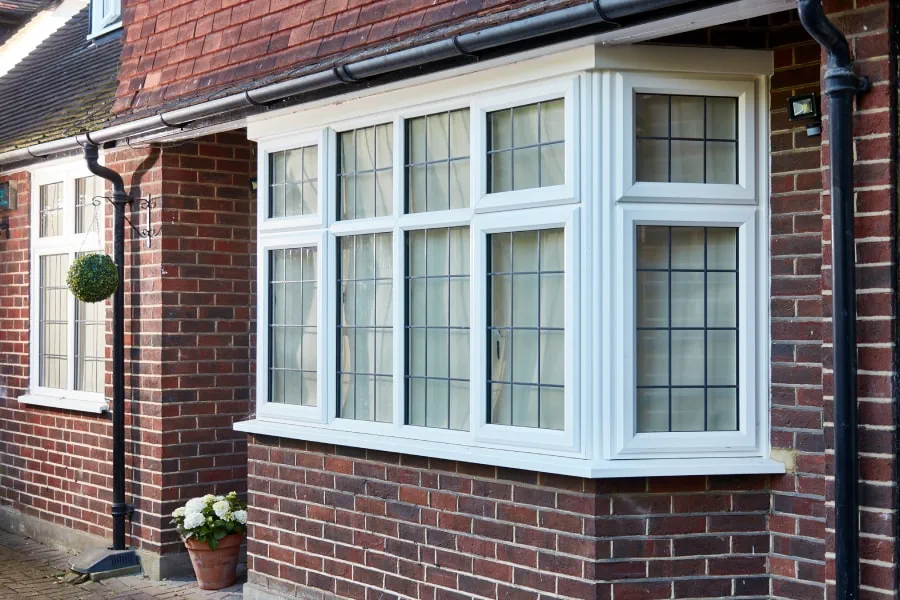
Bay and bow windows extend outwards from your home, creating a deeper window ledge and bringing in more natural light. They can make rooms feel larger and are popular in lounges, dining areas, and front-facing rooms. Because they use multiple frames joined together, precise installation is key for thermal performance and weatherproofing.
Secondary Glazing – Discreet Comfort and Efficiency
Secondary glazing is a smart way to improve insulation and noise reduction without changing your existing windows. It’s particularly useful for listed buildings or properties in conservation areas where replacing windows isn’t an option. A slim, internal frame adds an extra layer of glazing to cut heat loss, reduce draughts, and make rooms quieter, all while preserving the character of your original windows.
How to choose your window style
When choosing, think about how you use each room, how much ventilation you need, and the maintenance level you prefer. Casement windows are practical for most homes. Tilt and turn designs offer flexibility and easy cleaning. Sliding sash windows retain period character with reliable performance, while bay and bow windows maximise space and light. Secondary glazing is a simple upgrade for improving comfort without altering your home’s original features.
Chapter 3 - Window Frame Materials Compared: uPVC, Aluminium, Timber, Composite
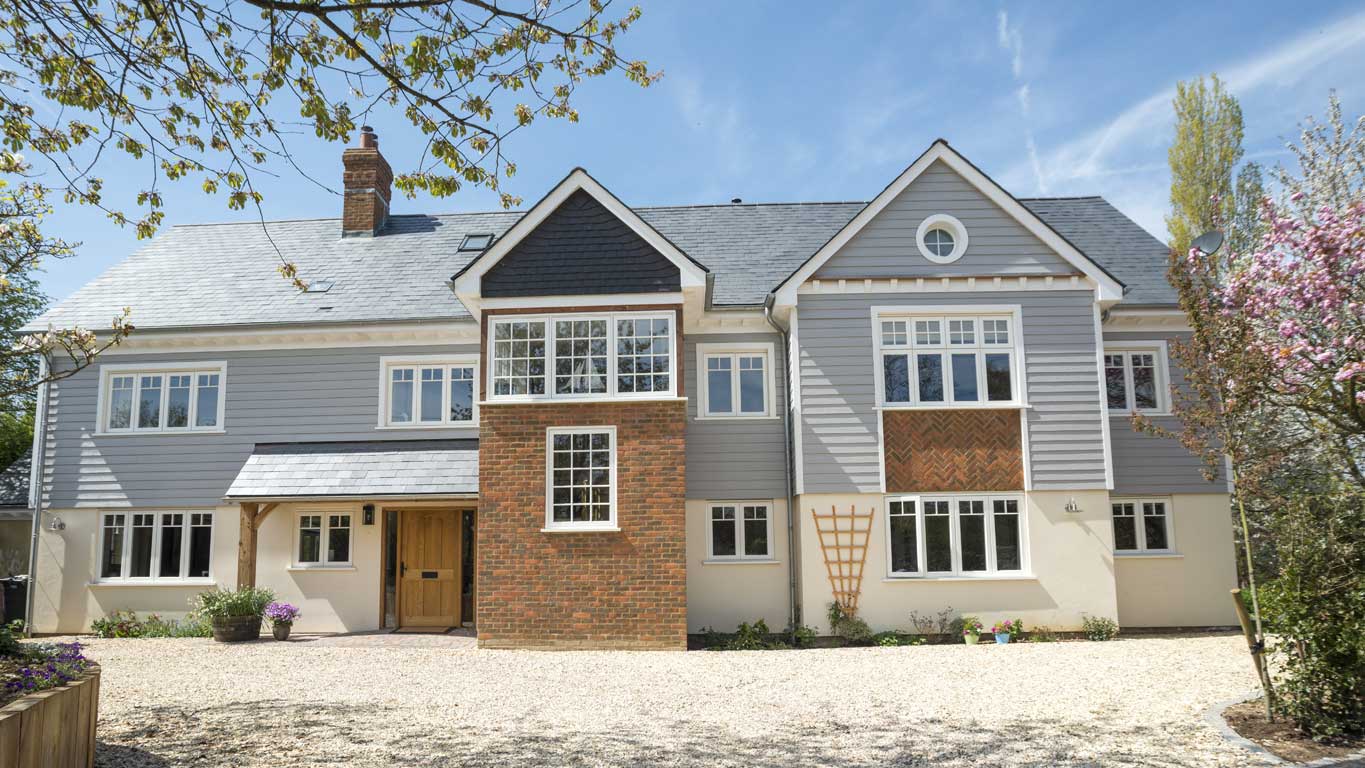
The frame material is crucial for the window’s lifespan, maintenance needs, and insulating capabilities.
|
Frame Material |
Key Characteristics | Best For |
| uPVC (Unplasticised Polyvinyl Chloride) | uPVC windows are highly cost effective, durable, excellent thermal efficiency, and virtually zero maintenance. | Budget-conscious projects and high-volume replacements where minimal upkeep is desired. |
| Aluminium | Aluminium windows are Incredibly strong, it allows for very slim, minimalist frames and large panes of glass. Requires a thermal break for good insulation. | Modern, contemporary homes and commercial properties. |
| Timber (Wood) | Superior natural insulation, classic, premium aesthetic. Requires regular painting or staining every few years. | Traditional or period properties and conservation areas. |
| Composite | Combines a durable, low-maintenance aluminium exterior with a warm, naturally insulating timber interior. | Premium projects where the highest performance and aesthetic standards are required. |
Chapter 4 - Double Vs Triple Glazing: Which is Better?
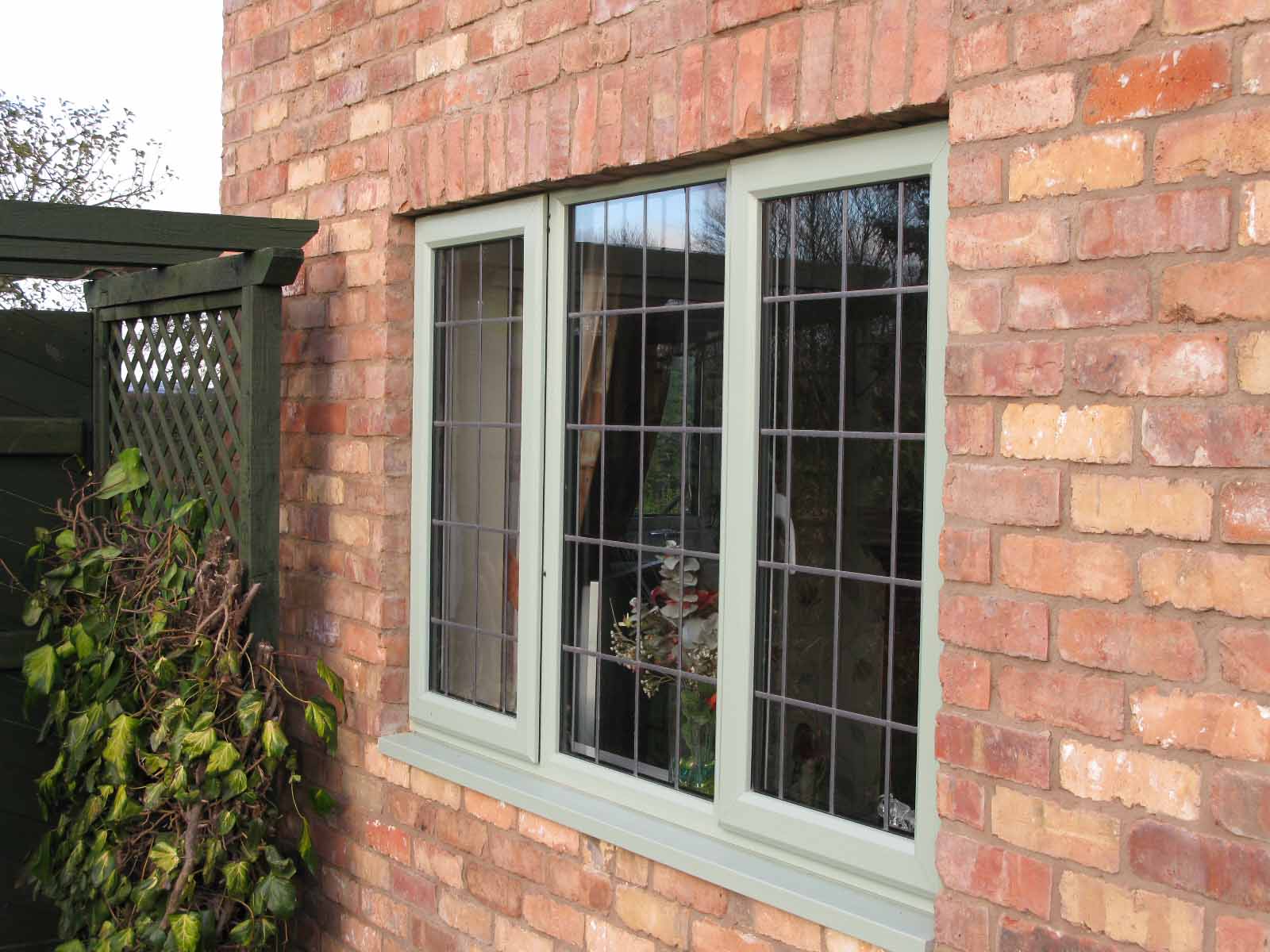
Both double and triple glazing can make a big difference to your home’s comfort, energy use, and noise levels. The main difference lies in the number of glass panes and the level of insulation they provide.
Double glazing is now the standard for most homes in the UK. It uses two panes of glass separated by a sealed gap filled with an inert gas such as argon, helping to keep warmth in and cold air out. It’s a proven, cost-effective choice that delivers excellent thermal performance compared to old single glazing.
Triple glazing adds a third pane of glass and a second gas-filled cavity, improving insulation and sound reduction even further. It achieves lower U-values and is particularly suited to homes in colder or more exposed locations, or where outside noise is an issue.
Chapter 5 - Energy Ratings and U-Values
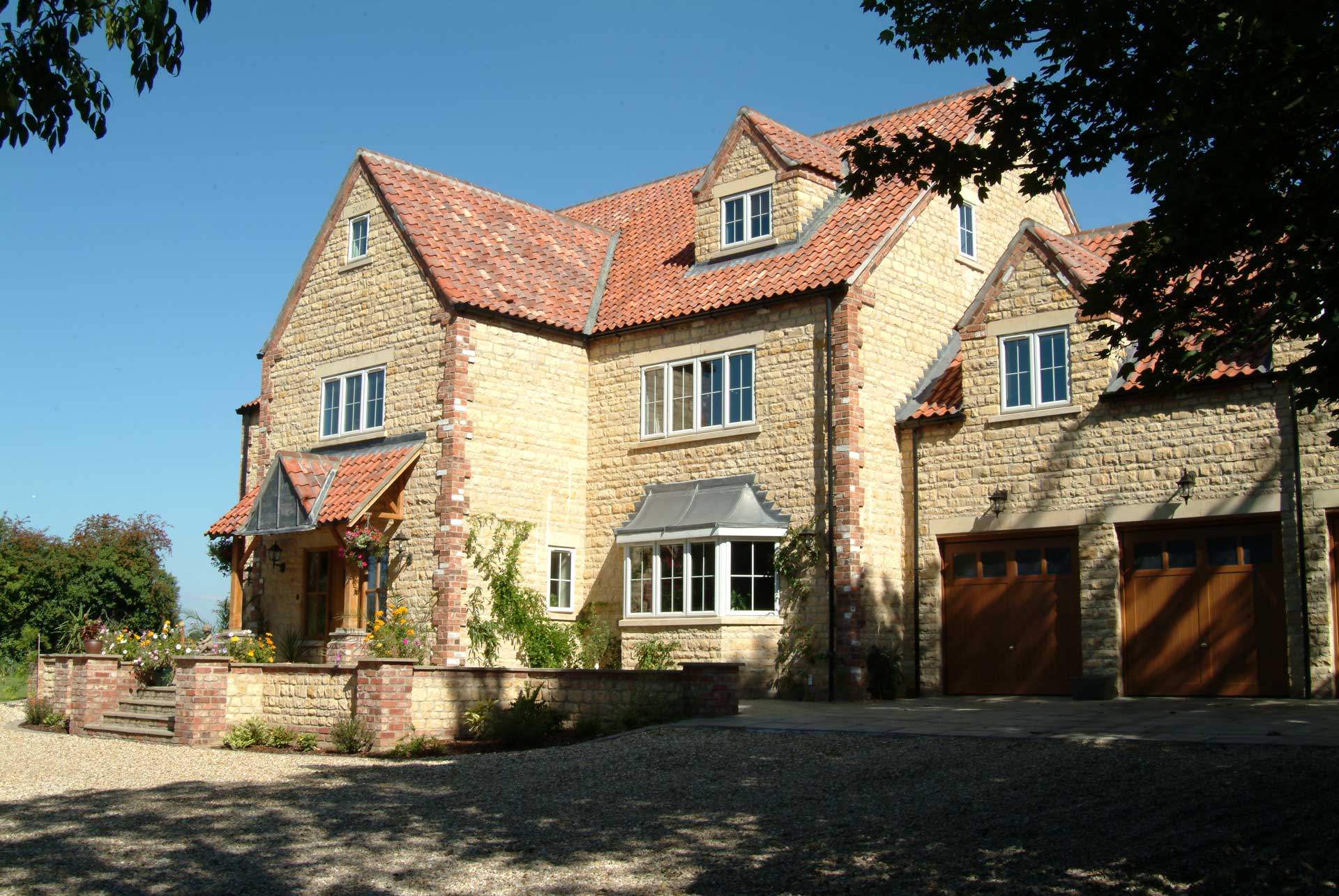
When comparing windows, it’s worth looking beyond appearance and focusing on the data that shows how they perform. The following measures help you understand efficiency and comfort in real terms.
U-Value (W/m²K)
This measures how much heat is lost through the entire window, including the glass, frame, and spacer bar. The lower the U-Value, the better the insulation. A typical modern double glazed window achieves around 1.4 W/m²K or lower, while triple glazed options can reach 0.8 W/m²K or below. Our guide to U-Values explains how they measure heat loss, why they matter, and what to look for when choosing windows and doors.
Window Energy Rating (WER)
In the UK, windows are rated on a coloured A–G scale, with A+ being the most energy efficient. This combines several factors, including U-value, solar gain, and air leakage. At Fox Windows and Doors, our windows achieve A+ ratings as standard, giving you proven performance and long-term savings.
Solar Heat Gain Coefficient (SHGC)
This measures how much of the sun’s heat passes through the glass. A lower SHGC helps reduce unwanted heat in warmer months, while a higher one can help make the most of solar warmth in cooler climates. The ideal balance depends on your home’s orientation and how it’s used.
For a more comprehensive guide to U-Values in windows, read our guide ‘What are U-Values & Why Do They Matter?’.
Chapter 6 - Finding the Perfect Look: Window Colour and Finish Options
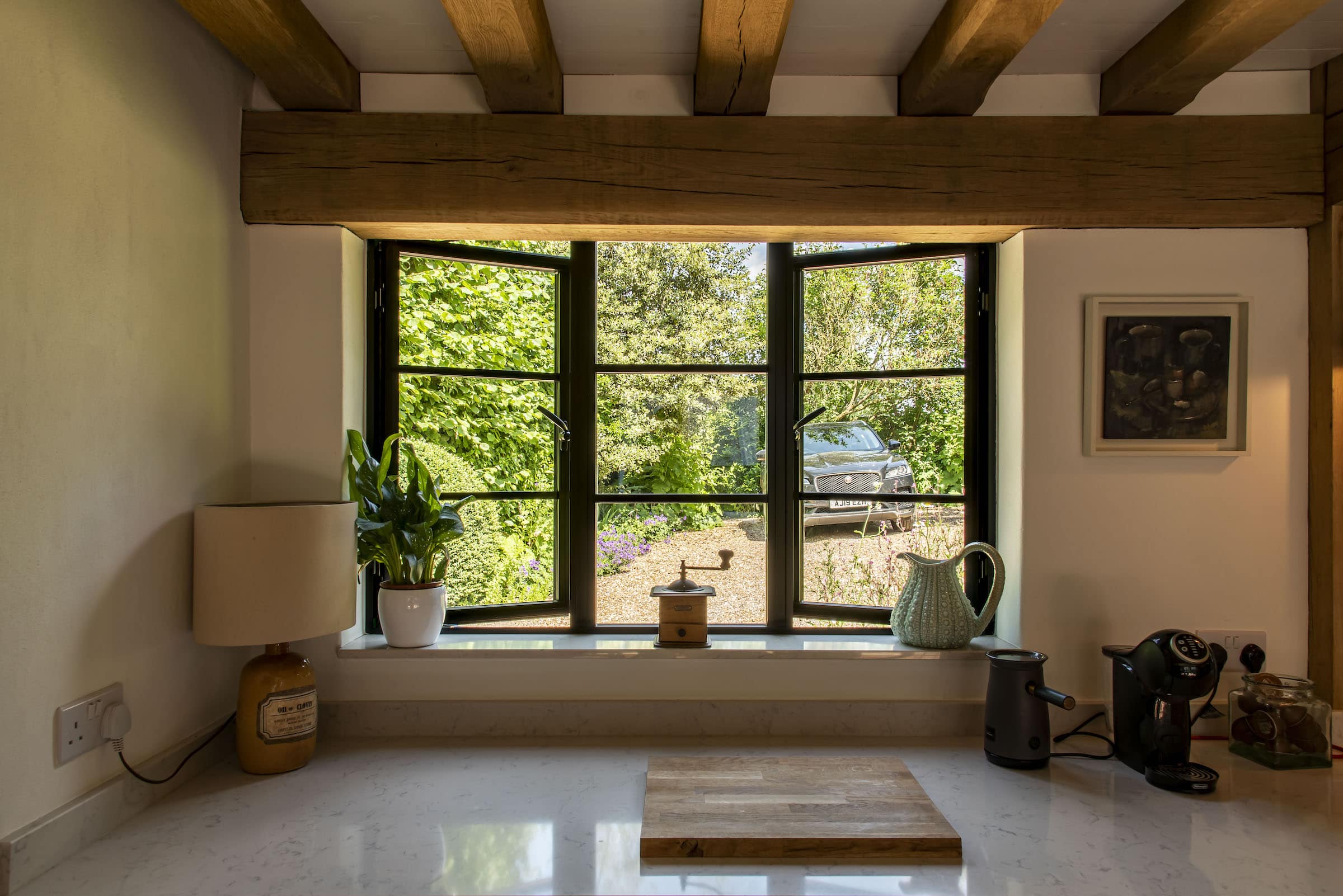
Window design has moved far beyond basic white frames. Homeowners now see windows as an integral part of the home’s overall design, considering colour, finish, and hardware with the same attention as kitchens or flooring. The result is a growing focus on detail and an appreciation for how much windows influence a property’s character and kerb appeal.
Colour Trends
Today, you can have almost any colour you want. With modern manufacturing and durable finishes, it’s possible to match or closely replicate virtually any tone. Neutrals such as white, cream, and anthracite grey remain classic and adaptable, while natural shades are increasingly popular. Sage green, soft clay, and warm taupe blend beautifully with brickwork and landscaped surroundings. For bolder designs, deep greens, blues, and charcoal tones are emerging as confident but sophisticated choices.
Dual colour frames are also becoming a preferred option. Many homeowners now choose one colour outside and another inside, for example, a contemporary grey exterior with a warmer neutral interior. This balance allows the windows to suit both the architecture of the building and the feel of the home inside.
Finishes
Finish plays just as big a role as colour. Smooth satin surfaces create a modern, understated look, while textured or woodgrain effects help replicate the feel of timber and are perfect for older properties or traditional settings. Advances in technology mean these finishes now offer longevity and minimal maintenance, so design and performance go hand in hand.
Hardware details
Handles, hinges, and locks have become design choices in their own right. Many people now coordinate these details with internal fittings such as light switches or door handles. Brushed steel, black, chrome, or bronze finishes can completely change the style and feel of a window, adding subtle consistency throughout the home.
Design details that make a difference
Beyond colour and finish, design details can define the overall look. Slim sightlines create a clean, modern appearance with more visible glass and less frame. Glazing bars or astragal bars can add period character or help a modern property echo traditional proportions. Frame shape and depth also influence how the window sits within the wall, from flush styles that align neatly with the brickwork to sculptured profiles that add softness and contour.
These choices not only shape how a home looks but also how it feels to live in. Taking time to get the design right creates a consistent, well-considered finish that adds comfort, personality, and value.
If you have ideas or wish to discuss your window options, get in touch with Fox Windows via our online contact form, or call us directly at 01926 754 044.
Chapter 7 - How to Choose the Right Style for Your Property
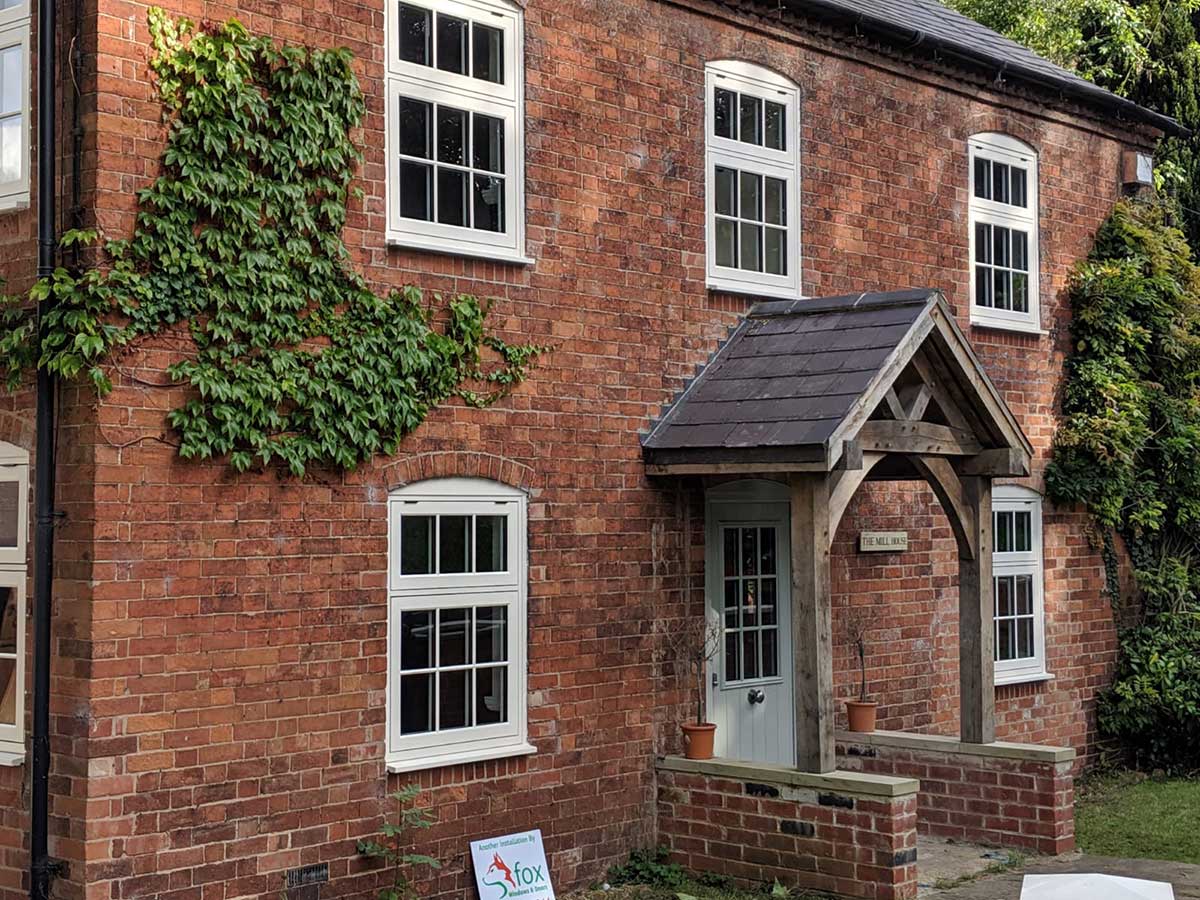
The architecture of your home is usually the best starting point when choosing new windows. The right style will complement your property’s design, enhance its character, and support its overall performance.
Victorian or Georgian
Sliding Sash windows are key to preserving period authenticity. They suit taller openings and add elegance through their balanced proportions. Timber remains traditional, but high-quality uPVC sash windows now replicate original detailing closely while improving insulation, security, and maintenance. These are ideal for homeowners wanting heritage style with modern comfort.
At Fox, we supply and install Roseview Sash Windows, a uPVC alternative that perfectly replicates the elegance and authenticity of the classic timber sash window, whilst providing modern performance and energy efficiency.
1930s and mid-century homes
Clean-lined casement windows work well, often with slim frames and subtle horizontal or vertical glazing bars to reflect the simplicity of the era. Balanced sightlines and muted colours such as cream or grey can help maintain the original character while updating performance.
New-build or contemporary homes
Modern properties often favour larger expanses of glass and minimal framing to maximise light. Slimline casement, fixed picture, or tilt-and-turn windows suit this style well. Pairing them with matching doors, such as bifolds or sliders, can help create a seamless flow between indoor and outdoor spaces. Aluminium windows are a popular choice for the modern look.
Listed and conservation properties
If your home is listed or within a conservation area, you may be restricted to specific materials or opening (often sliding sash windows). Always check local planning guidance before starting. Where window replacement isn’t permitted, secondary glazing offers an effective alternative, improving insulation, reducing draughts, and lowering noise while retaining the original appearance. Learn more about secondary glazing in our ‘Complete Guide to Secondary Glazing’.
Chapter 8 - Do Your Windows Need Replacing? Here’s What to Look For
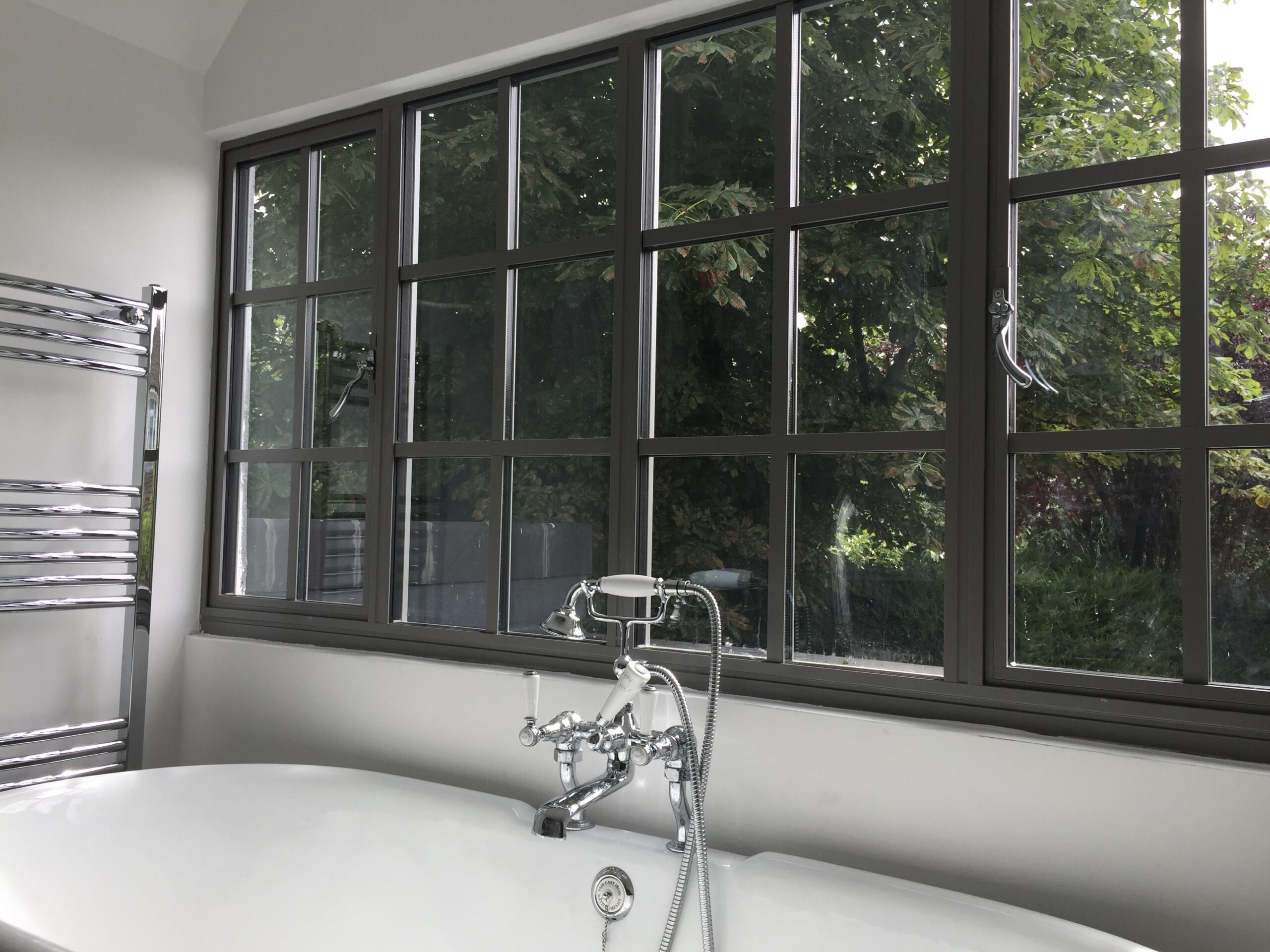
While minor problems can be fixed, these are a few signs that a full window replacement is necessary:
- Condensation between the panes
Moisture or misting inside the glass unit usually means the seal has failed, allowing air and water vapour into the cavity. Once this happens, insulation performance is lost and the unit can’t be effectively repaired. - Visible deterioration
Rotten timber, cracked uPVC, or warped frames often mean the structure has weakened. These issues can let in draughts, water, and cold air, and will continue to worsen over time. - Difficulty operating
If windows are hard to open or close, stick in place, or no longer lock securely, they can compromise safety and security as well as convenience. - Excessive noise
Older or poorly insulated windows can allow outdoor noise to pass straight through. Replacing them with modern, energy-efficient units will usually make a noticeable difference in sound reduction and comfort. - Cold spots or draughts near windows
If you can feel a chill even when the windows are closed, air is likely leaking through gaps or degraded seals. This can quickly add up to higher heating costs and uneven room temperatures. - Fading furniture or flooring
Older glazing often provides little UV protection. If you’ve noticed fading on fabrics, flooring, or furniture, newer glass types can help block damaging rays while still letting in light. - Outdated appearance or poor fit
Windows that look out of place, don’t match the property’s style, or have been poorly fitted can impact kerb appeal and property value. Modern frames offer slimmer sightlines, better proportions, and improved finishes that lift a home’s overall look.
If you have concerns about your window and feel as though it may need replacing, contact a member of the expert team at Fox for bespoke advice.
To begin your window replacement journey, start an online quote using our online quoting tool.
Chapter 9 - How Much Do New Windows Cost?
The total cost of replacing your windows depends on several factors, including materials, glazing specification, window style, and the complexity of the installation. Understanding what drives cost helps you set a realistic budget and make informed choices.
- Materials and style
uPVC is usually the most affordable option and offers excellent thermal performance with minimal maintenance. Aluminium and timber tend to be higher in price, reflecting their strength, design flexibility, and premium finish. Larger or more complex designs, such as bay or bow windows, also cost more due to the additional structure and installation time involved. - Glazing and performance
Double glazing remains the standard for most homes, while triple glazing, acoustic glass, or solar-control coatings can enhance comfort and efficiency but add to the cost. Optional upgrades such as integrated blinds, decorative glazing, or dual-colour frames also influence the final price. - Installation factors
The condition of existing frames, wall openings, and access can affect both time and cost. Replacing older timber frames, adjusting opening sizes, or working at height typically requires more preparation and labour. - Choosing a trusted installer
Always obtain quotes from reputable, certified companies and make sure you’re comparing like for like. Look for independent accreditations such as Which? Trusted Trader, which verifies installers for quality and reliability, and GGF membership, which provides additional consumer protection and deposit guarantees. - Customer reviews and clear written warranties are also good indicators of trustworthiness. Fox Windows & Doors, is a Which? Trusted Trader, member of the GGF and offers a 10-year workmanship guarantee, alongside the manufacturer’s product warranty.
- Choosing a verified, experienced installer gives you confidence that your investment is protected and that your new windows will perform as they should for years to come.
For fair-priced quotes that guarantee quality craftsmanship and excellent customer service from first contact to final installation, get started today using our online quoting tool for a free, no-obligation quote.
Chapter 10 - What Can I Expect During Installation?
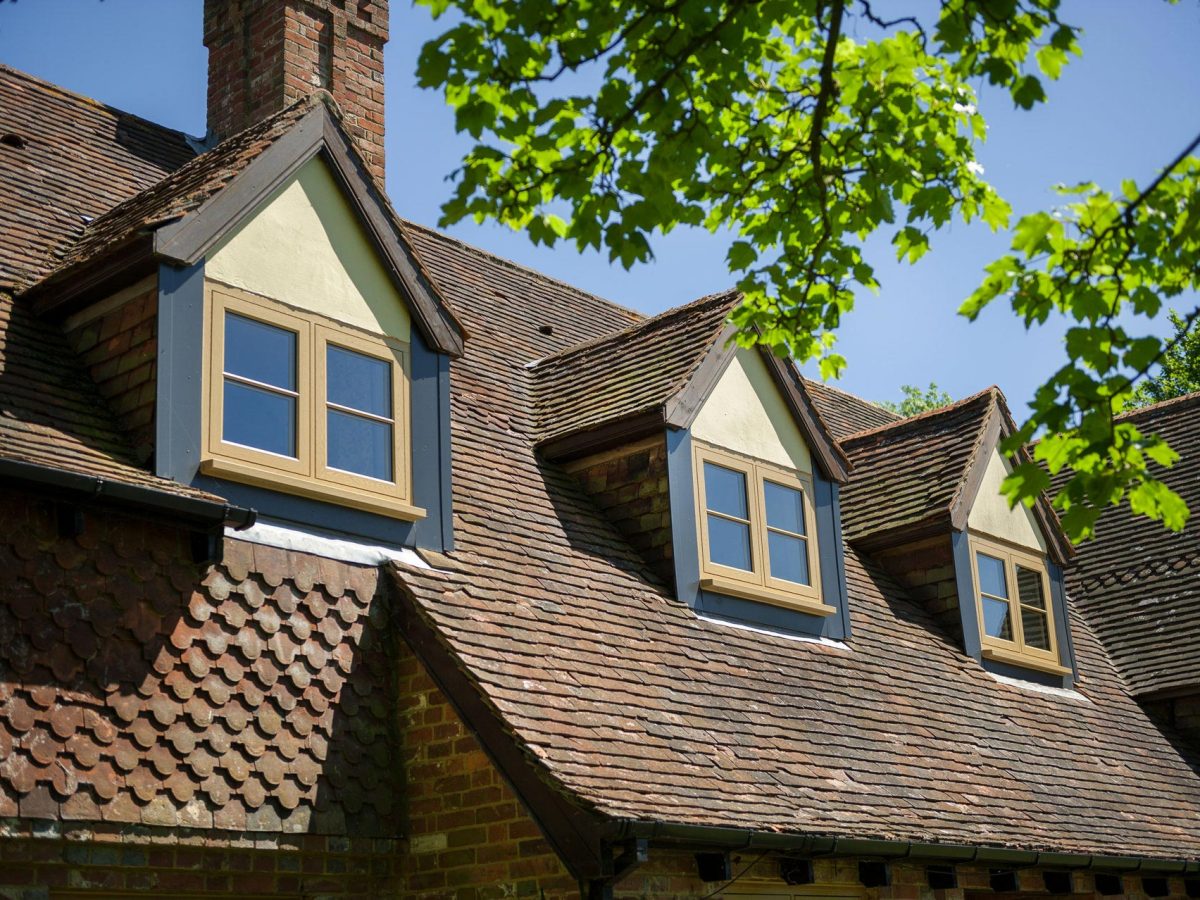
A professional installation, performed by expert installers such as Fox Windows and Doors, ensures minimal disruption and optimal performance.
A professional installation should feel organised, respectful of your home, and focused on long-term performance. Here’s what a well-managed process typically involves.
- Pre-installation survey
Before any work begins, a detailed survey is carried out to confirm exact measurements and assess access, structure, and finishing requirements. This ensures the new windows fit perfectly and helps identify any potential challenges in advance. - Preparation
On the day, the installation team will protect your floors and furnishings with dust sheets and covers. They’ll check the planned work area and explain the order of installation to minimise disruption. - Removal
The existing window sashes and frames are carefully removed, keeping any surrounding plasterwork or brickwork intact. Openings are cleaned and prepared to ensure a sound, level surface for the new frame. - Fitting the new frame
The new window frame is positioned, secured, and checked for alignment, plumb, and level. Insulation foam and waterproof tapes are applied to seal any gaps and prevent air or moisture ingress. - Glazing and finishing
Once the frame is in place, the glass units are installed, beads are secured, and all internal and external trims are fitted. A good installer will take time to make good around the window, adding cills, sealant, and architraves for a clean, professional finish that blends with your interior. - Final checks and clean up
The installers will test the windows to ensure smooth operation, locks, and seals work correctly. All debris, packaging, and old windows are removed from the site, leaving the area tidy and ready to enjoy. - Post-installation care
A final inspection or handover confirms you’re happy with the work. Many installers will also demonstrate how to use and care for your new windows as part of the handover.
At Fox Windows & Doors, installations are carried out by trained professionals who take pride in precision fitting and attention to detail. Get in touch with a member of our team if you require more information or have any further questions.
How to Maintain and Extend Your Window’s Life
Modern windows require minimal maintenance, but following these steps will ensure they last for decades:
- Routine Cleaning – Clean the glass and frames regularly with mild, soapy water. Avoid harsh or abrasive chemicals, which can damage seals and coatings.
- Lubrication – Apply a light oil or silicone spray to all hinges, locks, and moving mechanisms once a year to keep them operating smoothly.
- Inspect Seals – Check the external silicone seals and the rubber gaskets around the glass. If you notice any cracking or gaps in the exterior sealant, re-seal them promptly to prevent water ingress.
Timber-Specific Care – If you have chosen timber for your new windows, inspect the paint or stain condition every 3-5 years and touch up or refinish as necessary to protect the wood from moisture.
Transform Your Home with New Windows with Fox
Upgrading your windows is more than a home improvement; it’s an investment in comfort, efficiency, and style. The right windows can completely transform the look and feel of your property, enhancing natural light, improving thermal performance, and elevating your home’s overall value.
Whether you’re restoring period charm or creating a sleek, contemporary design, Fox Windows and Doors are here to guide you every step of the way, from expert advice and bespoke designs to flawless installation.
To get inspiration, browse our window range on the Fox Windows and Doors website today.
Start your online quote or get in touch to discover how our high performance window solutions can help you create a home that looks beautiful, feels comfortable all year round, and performs at its very best.
